Costs · September 13, 2026 · 7 min read
How Much Does an EV Add to Your Electric Bill?
What charging an electric car at home adds to a monthly electricity bill, why your state moves it more than your car, and how to work out your own.
Charging an electric car at home adds a few dozen dollars a month to a typical electricity bill, and for every car we track but one, the state you live in moves that figure more than the car you drive. The bill goes up by the kilowatt-hours the car takes on, priced at your own rate, and nothing else on it changes.
$59
a month added to a home electricity bill by the average EV this site tracks, charged at home at the US average rate
What actually sets the number
Three things, multiplied together: how far you drive, how much electricity your car needs for each mile, and what your utility charges for it. That’s the whole calculation. The formula page walks through it step by step if you want to check our arithmetic.
The first two are mostly settled the day you buy the car. The EPA rates every EV in kilowatt-hours per 100 miles, measured at the wall socket, so it already counts the energy lost while charging. A small, light car needs less. A big three-row SUV needs noticeably more. Your mileage is your mileage.
The third is the one people skip, and it’s the one that matters most.
Your state matters more than your car
Here’s the same year of driving priced three ways: at the average rate in the cheapest state, at the national average, and in the most expensive large mainland market. The rows run from the most efficient car we track to the thirstiest, with the average in between.
| Driving 12,000 miles a year | Idaho | US average | California |
|---|---|---|---|
| Lucid Air (most efficient) | $28 | $41 | $76 |
| Average of the 34 EVs we track | $40 | $59 | $108 |
| GMC Hummer EV (least efficient) | $79 | $115 | $213 |
Read it across, then down. Moving the same car from Idaho to California costs close to three times as much each month. Same miles, same garage. The only thing that changed is who sold you the electricity.
Swapping between any two of the 34 EVs we track, in the same state, changes the bill by less than that, with one exception: the GMC Hummer EV, which uses 2.8× the energy of the Lucid Air for every mile.

So if you’re shopping on running costs, the Ford F-150 Lightning and the Lucid Air are closer together on the bill than a move across a state line would be. We’d pick the car you want and spend ten minutes on the rate instead.
How to work out your own
Find the price per kWh on your electricity bill. Use the all-in figure: the energy charge plus any delivery charges billed per kWh. Leave the delivery charges out and the answer looks better than your bill will.
Then open the cost page for your car. Every cost-to-charge page has a box that reprices the car at whatever rate you type in, and shows the monthly figure straight away. If your car isn’t there, the calculator does the same job from the EPA figure on its window sticker.
Two plan types need a little more care. On a tiered plan, the car’s kilowatt-hours land on top of everything else the house uses, so price them at the highest tier you reach. On a time-of-use plan, use the price for the hours you actually plug in.
Why your bill won’t match the average
The monthly figure is a year of charging spread evenly across twelve months. Real months aren’t even. A road trip month costs more, a month working from home costs less, and winter costs more than summer, because a cold car needs extra energy for every mile.
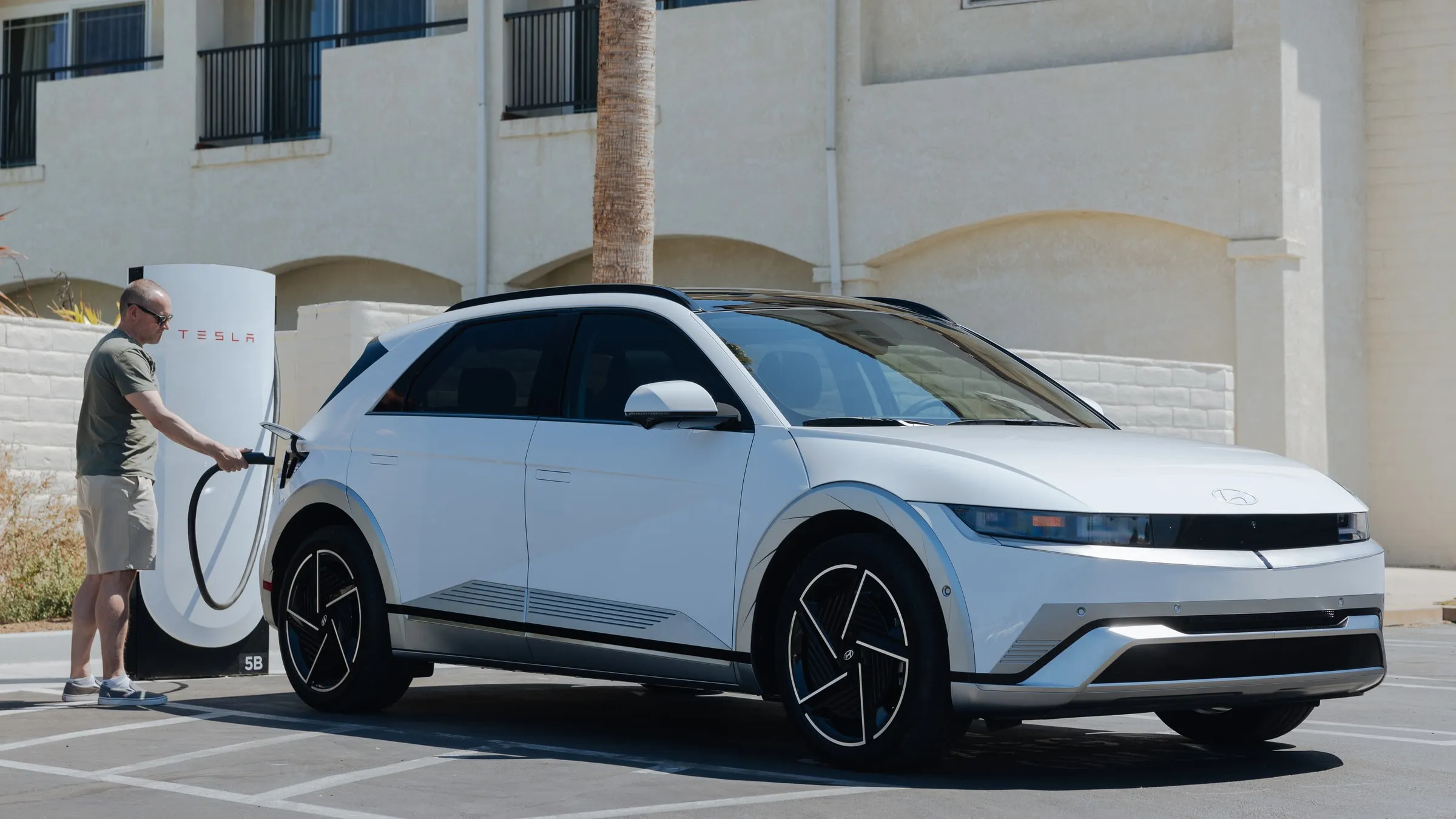
Some of your driving won’t show up on the home bill at all. Fast charging on a road trip, a public station at the grocery store, a free charger at work: none of it passes through your meter. Public stations bill you separately, and fast charging usually costs more per kWh than home, so a household that charges away from home a lot will see a smaller home increase and a bigger bill somewhere else.
Keeping the increase down
The cheapest move is usually a time-of-use or EV plan, if your utility offers one. You charge overnight, when electricity is cheaper, and the car doesn’t care what time it is. Set the charging schedule in the car or the charger once and forget about it.
After that, there isn’t much to optimise. Charging faster or slower doesn’t change how far you drive, and the car’s appetite was settled at the dealership. The rate and the miles are the bill, and only one of those is negotiable.
For the costs behind every figure on this page, see the running costs topic.
Common questions
How much will my electric bill go up with an EV?
For a typical EV driven an average amount and charged at home, about $59 a month at the US average electricity rate. Unless you drive a GMC Hummer EV, your own rate moves that more than the choice of car does, so check the price per kWh on your bill.
How much does a Tesla Model Y add to your electric bill?
About $45 a month at the US average rate, charged at home and averaged over a year of ordinary driving. It is one of the most efficient cars this site tracks, so most EVs add a little more.
Does a Level 2 charger raise my bill more than a wall outlet?
No. A charger's speed changes how long charging takes, not how far you drive, so the bill follows your mileage. Slower charging can lose a little more energy as heat, but we have no published figure for how much, so we don't price it.
Does public or workplace charging show up on my home bill?
No. Only electricity that passes through your home meter lands on your home bill. Public stations bill you through their own app or card, and free workplace charging doesn't appear anywhere.
Will charging an EV push me into a higher rate tier?
It can, on a tiered plan. Charging adds kilowatt-hours on top of what the house already uses, so price them at the highest tier you reach in a normal month rather than at your average rate.