What it costs to charge each EV
What an electric car costs to charge comes down to two things: how much energy it uses, and what you pay for electricity. The first is fixed by the car and published by the EPA. The second is entirely down to where you live, and it varies by more than four to one across the US.
Below is the first, for 34 popular cars, priced at the US average rate of 18¢/kWh. The Lucid Air is the cheapest here to run and the GMC Hummer EV the most expensive — a difference of about 178% in energy for every mile driven.
| Car | kWh/100mi | Full charge | Per 100 miles | Per year |
|---|---|---|---|---|
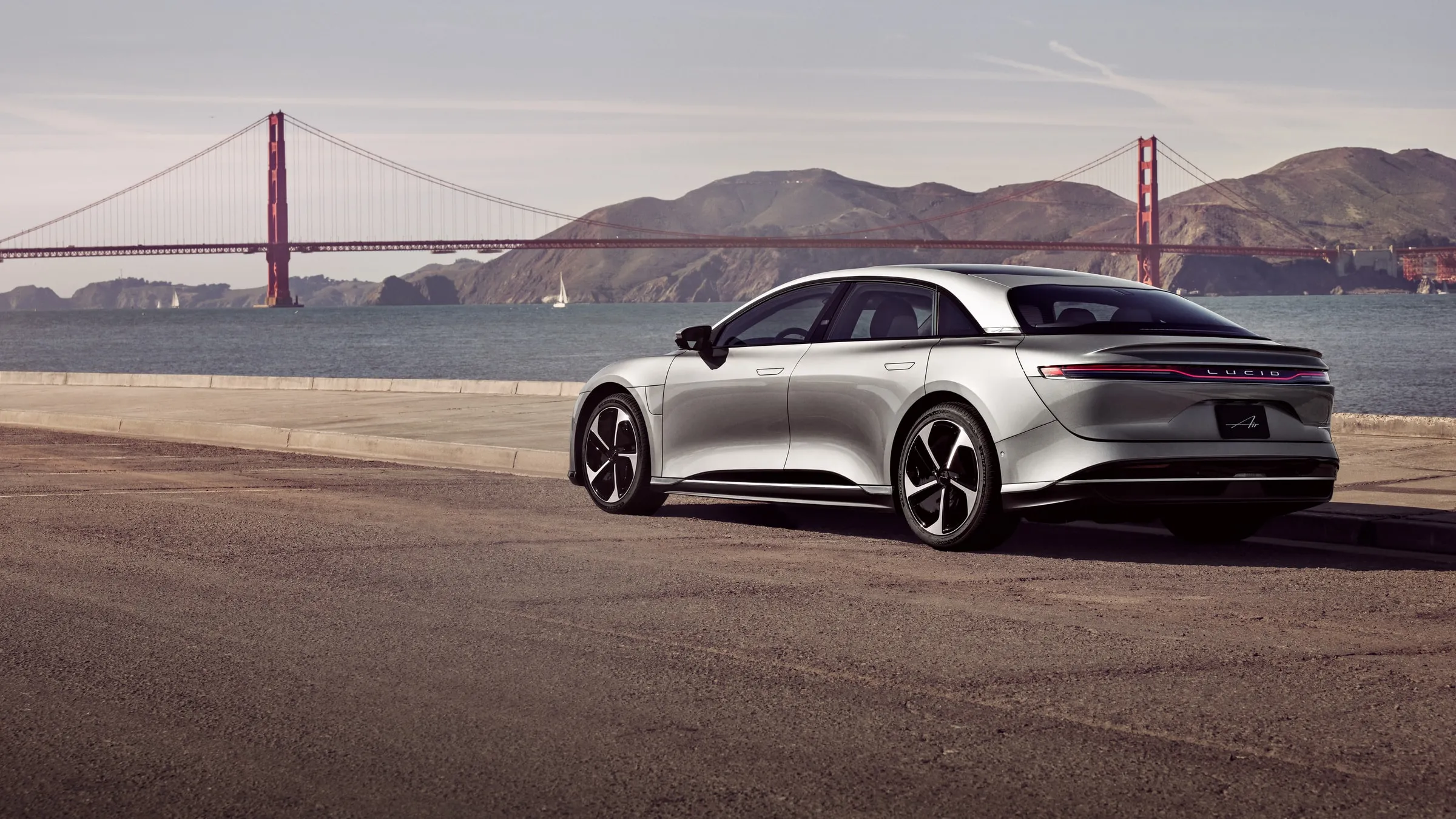 | 23 | $17.39 | $4.14 | $497 |
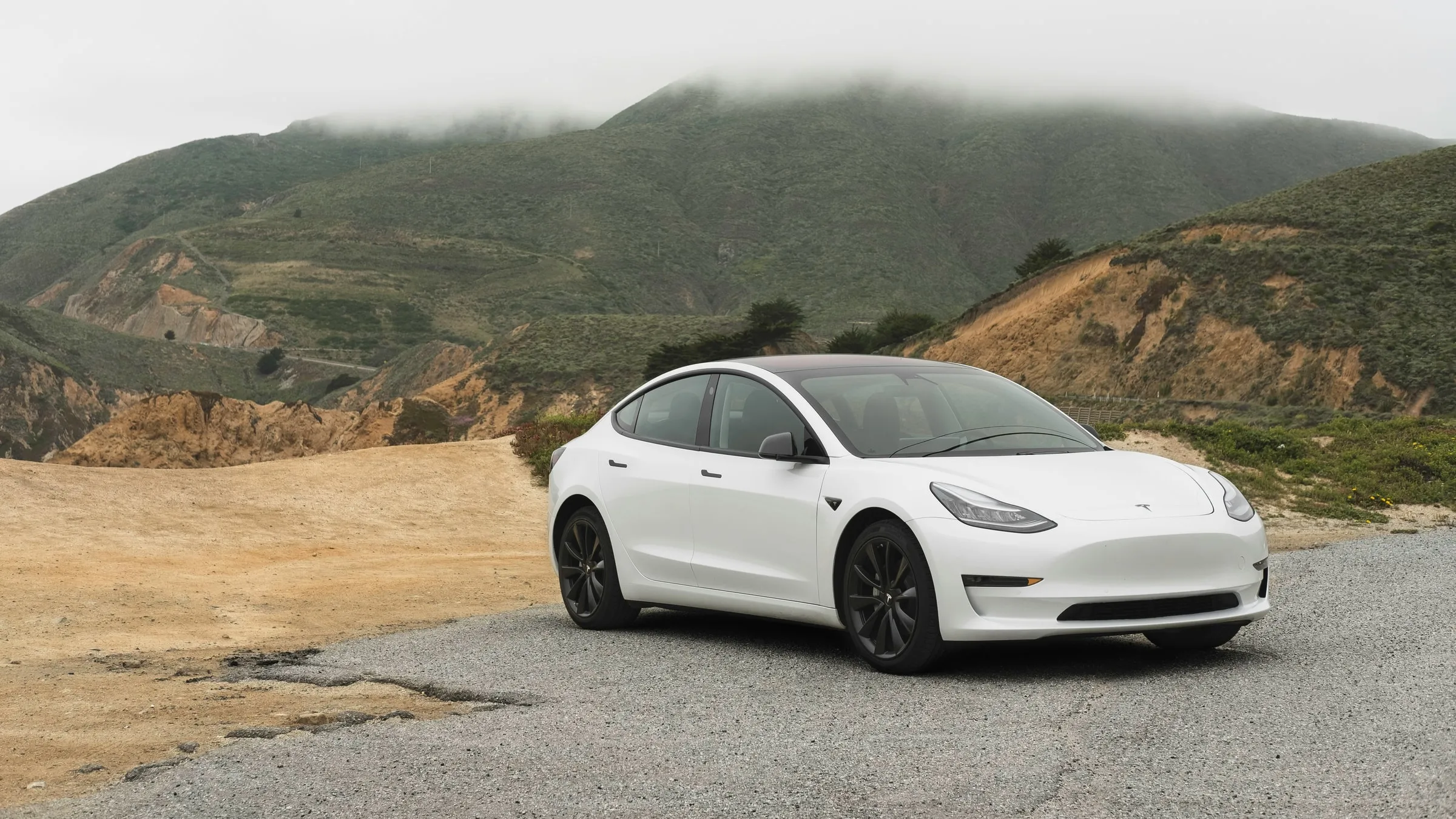 | 25 | $16.34 | $4.50 | $540 |
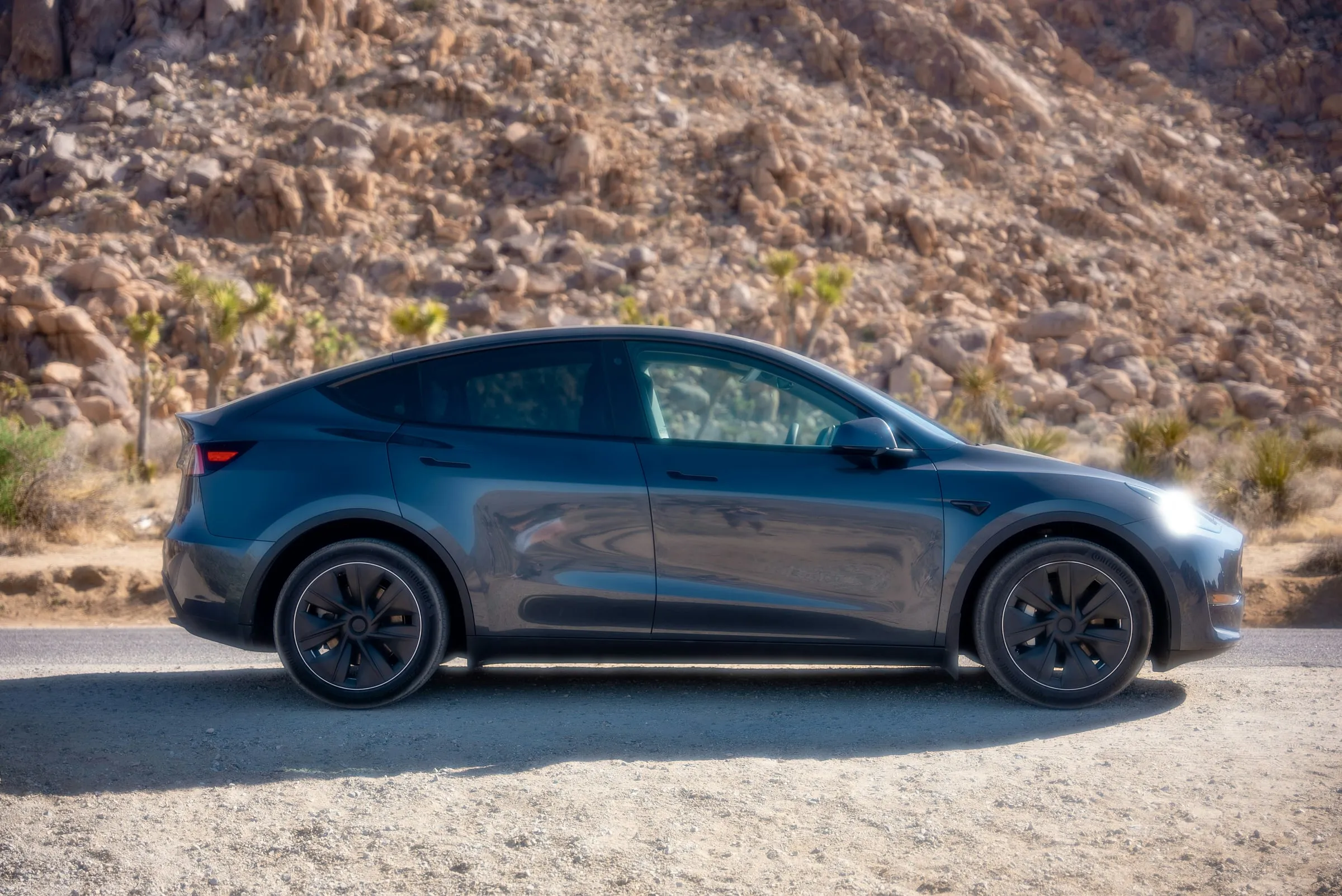 | 25 | $16.07 | $4.50 | $540 |
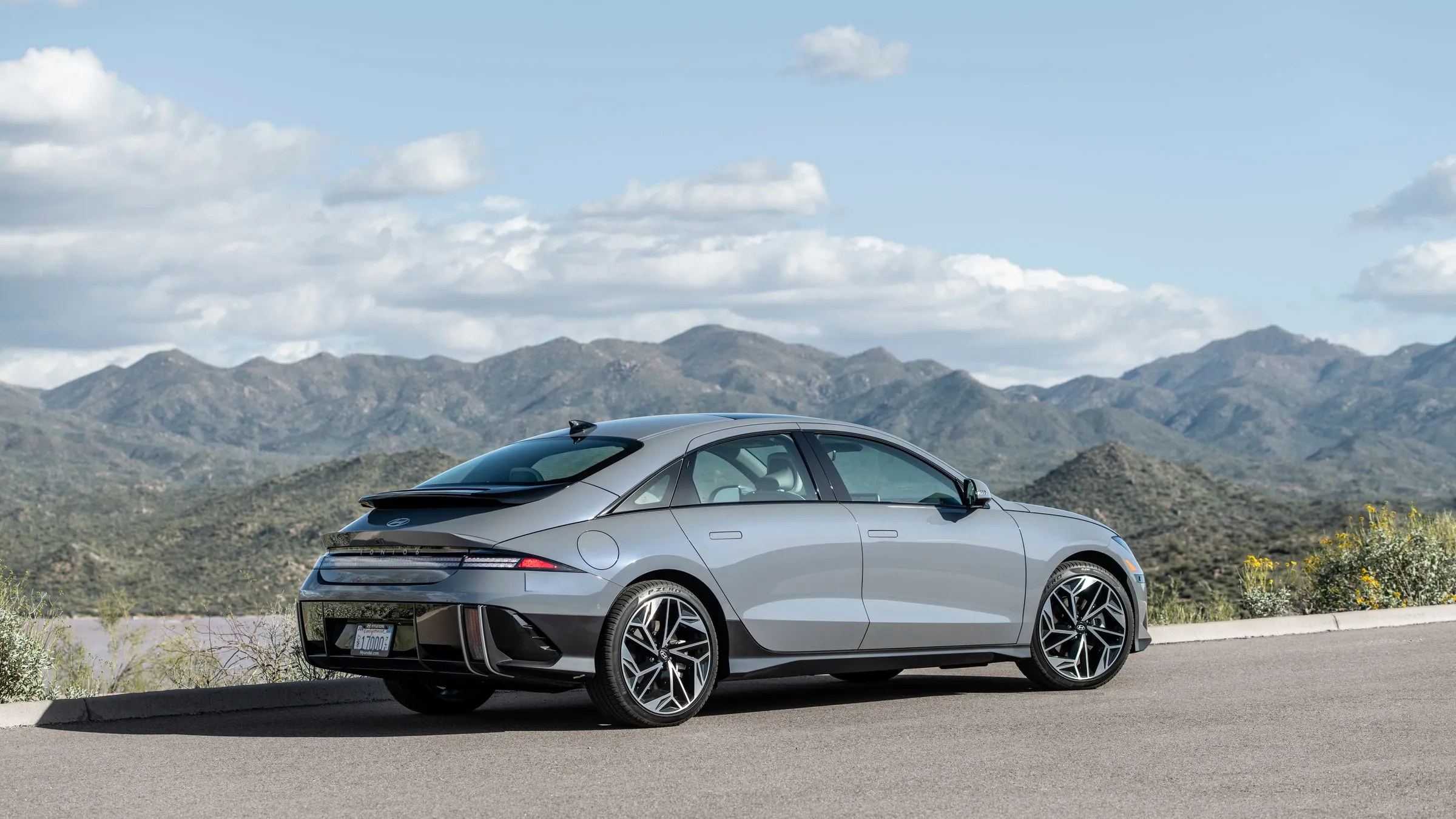 | 26 | $16.01 | $4.68 | $562 |
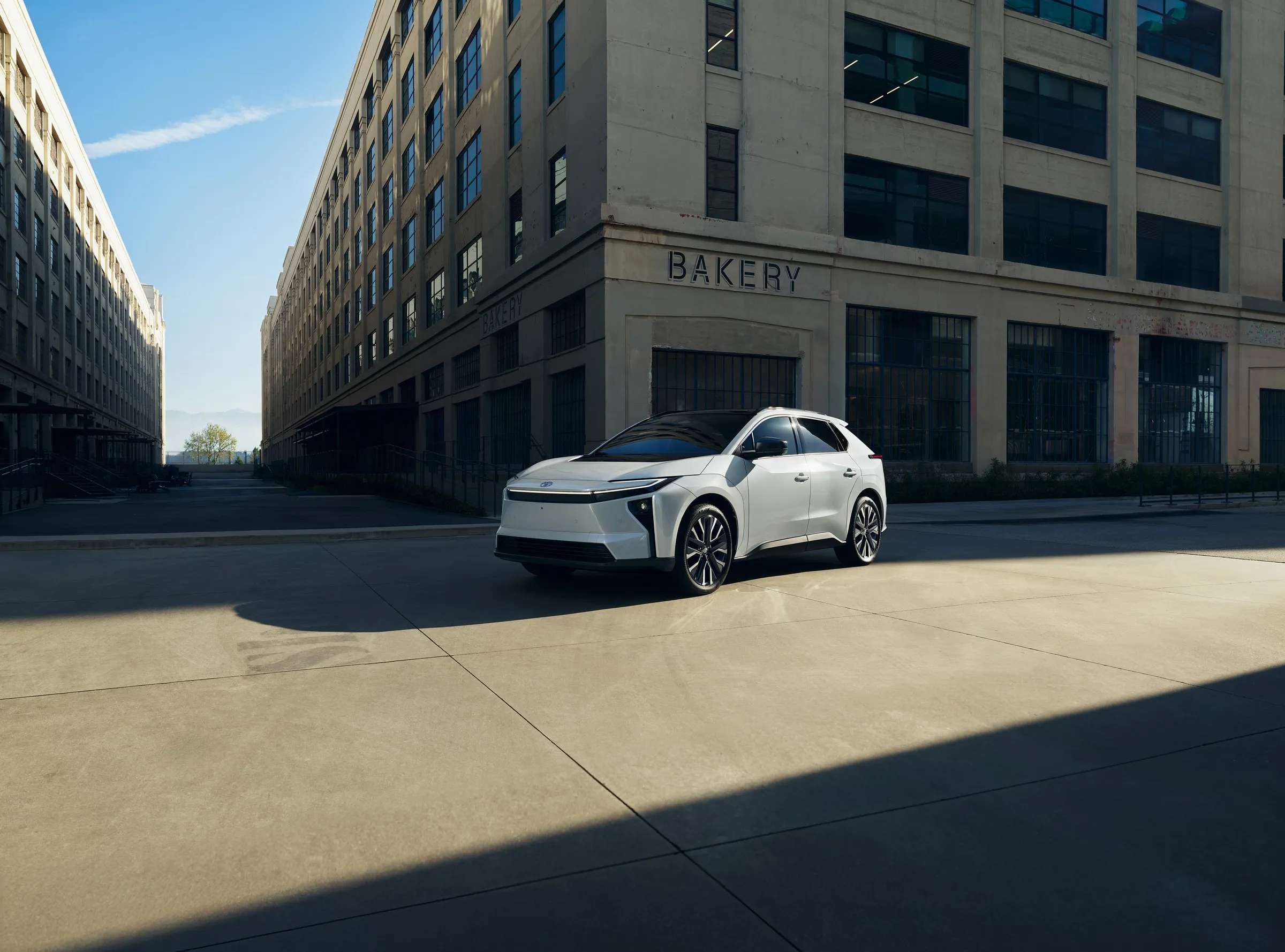 | 26 | $14.70 | $4.68 | $562 |
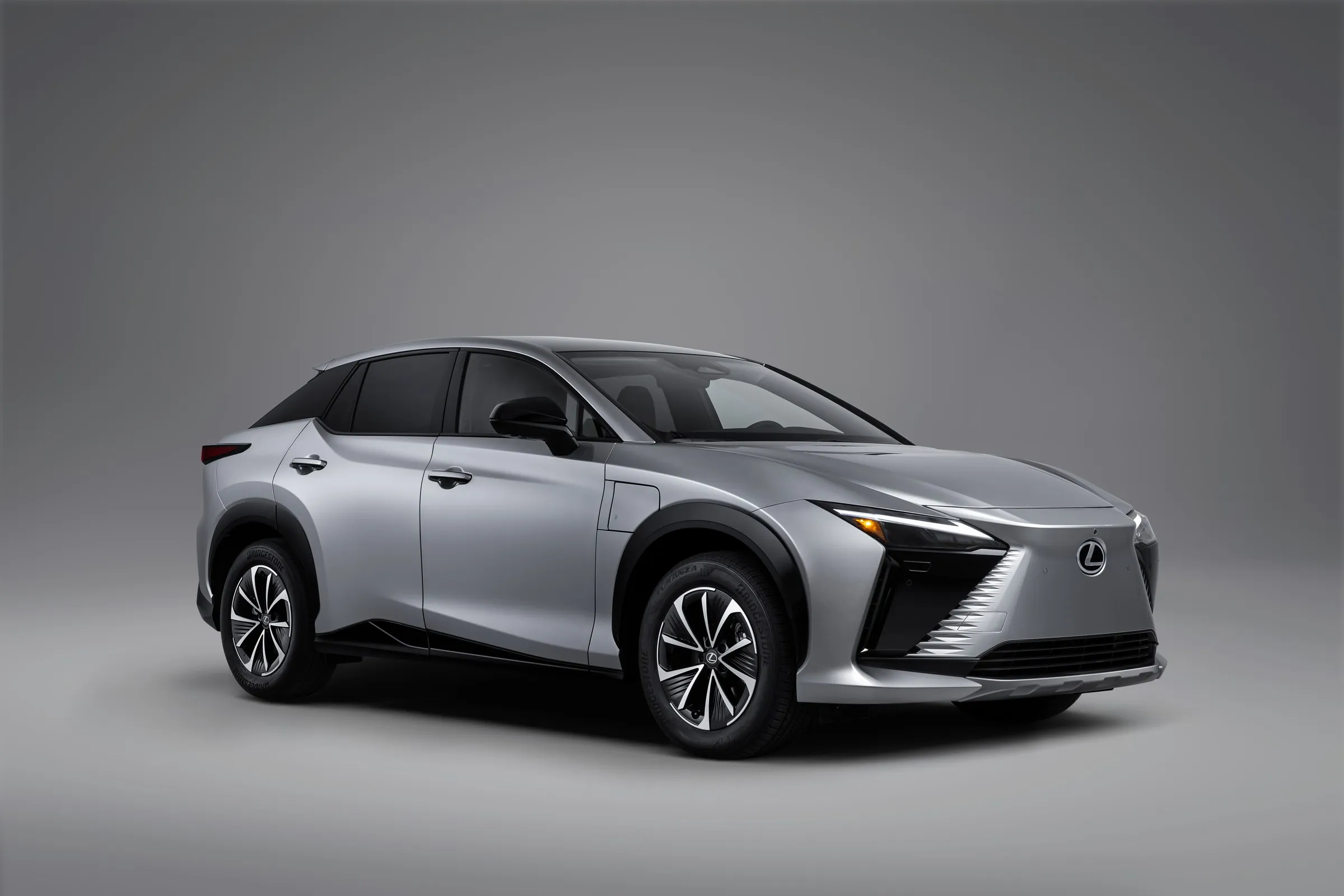 | 27 | $14.63 | $4.86 | $583 |
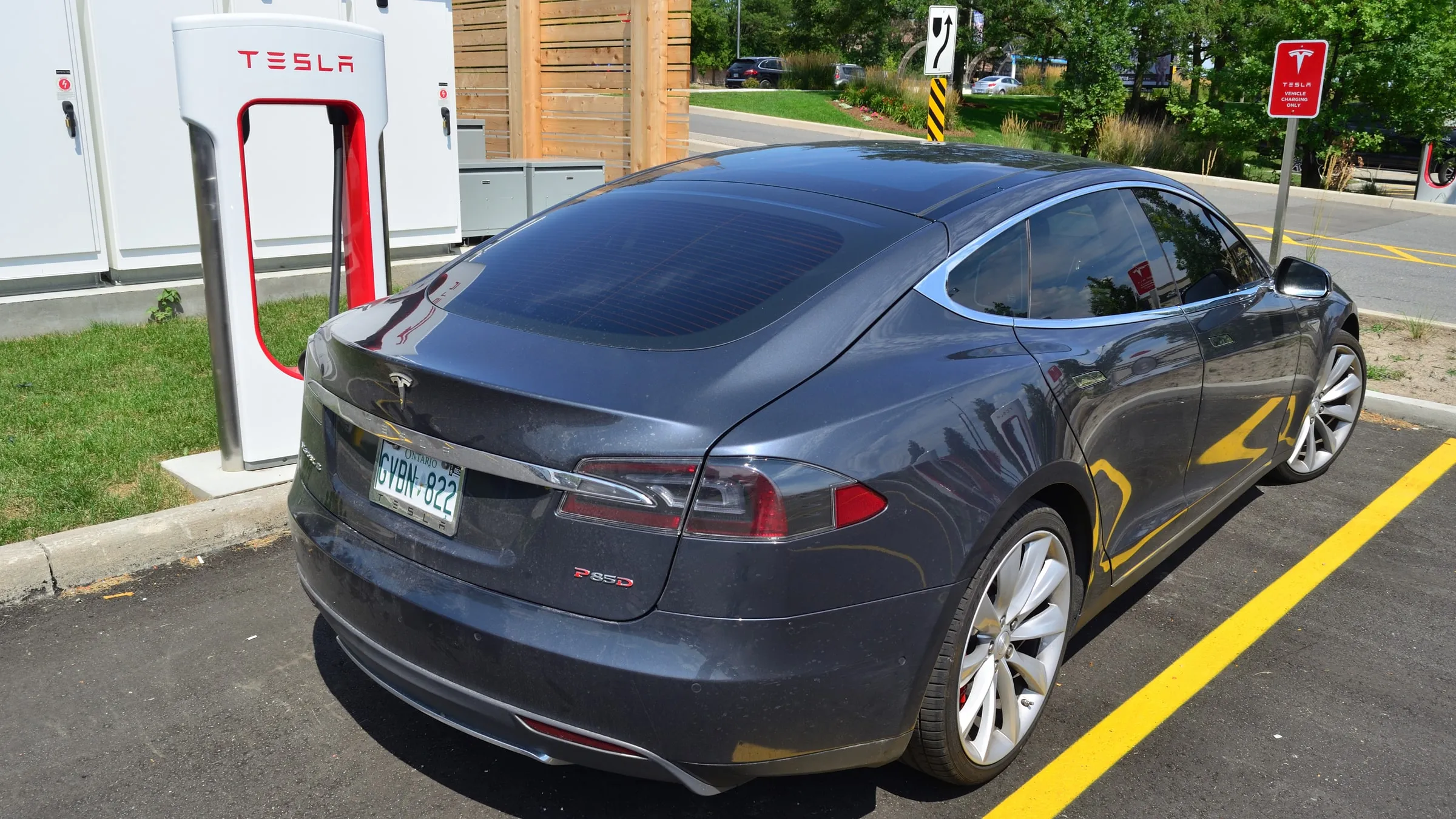 | 27 | $19.93 | $4.86 | $583 |
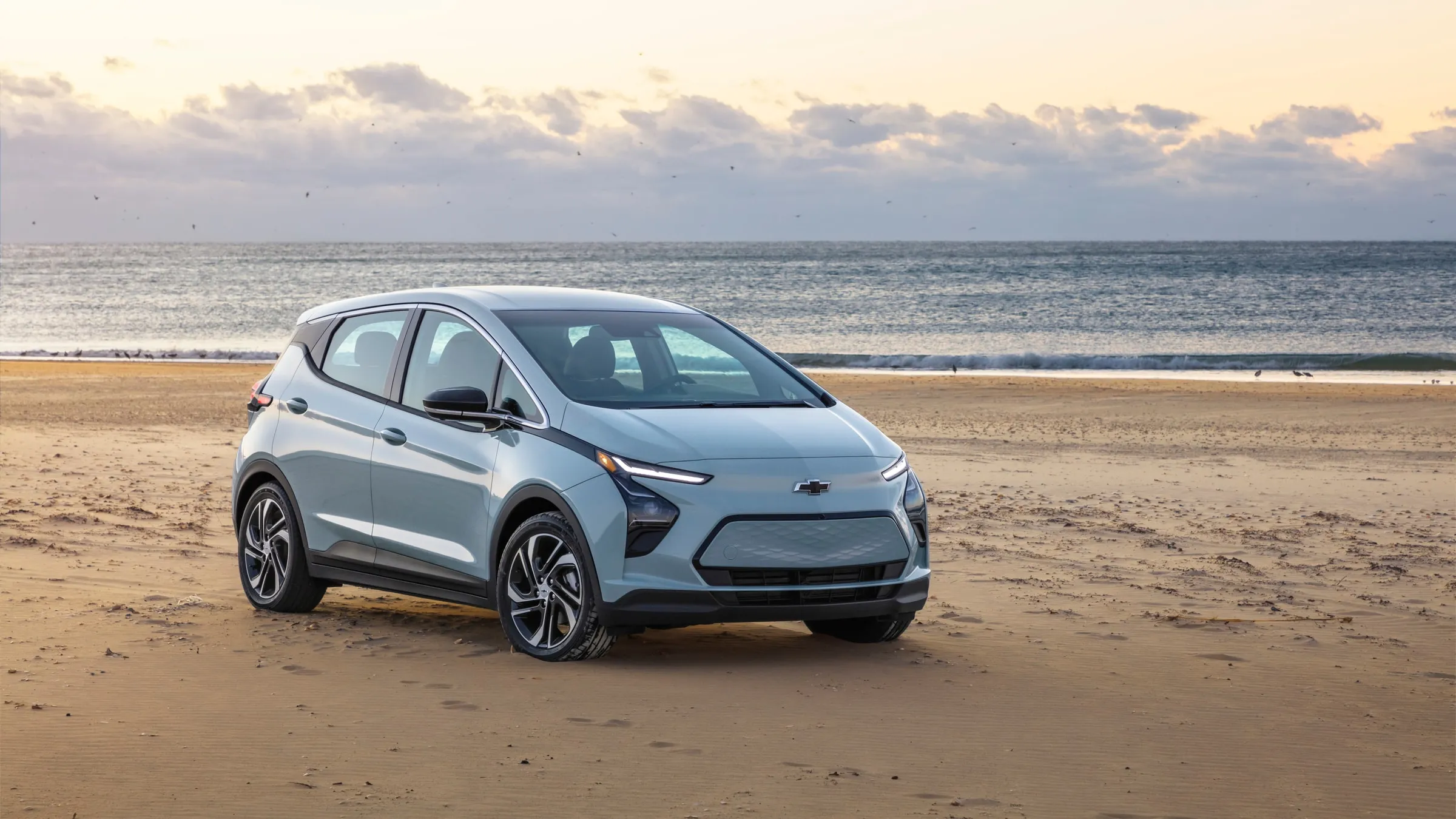 | 28 | $13.05 | $5.04 | $605 |
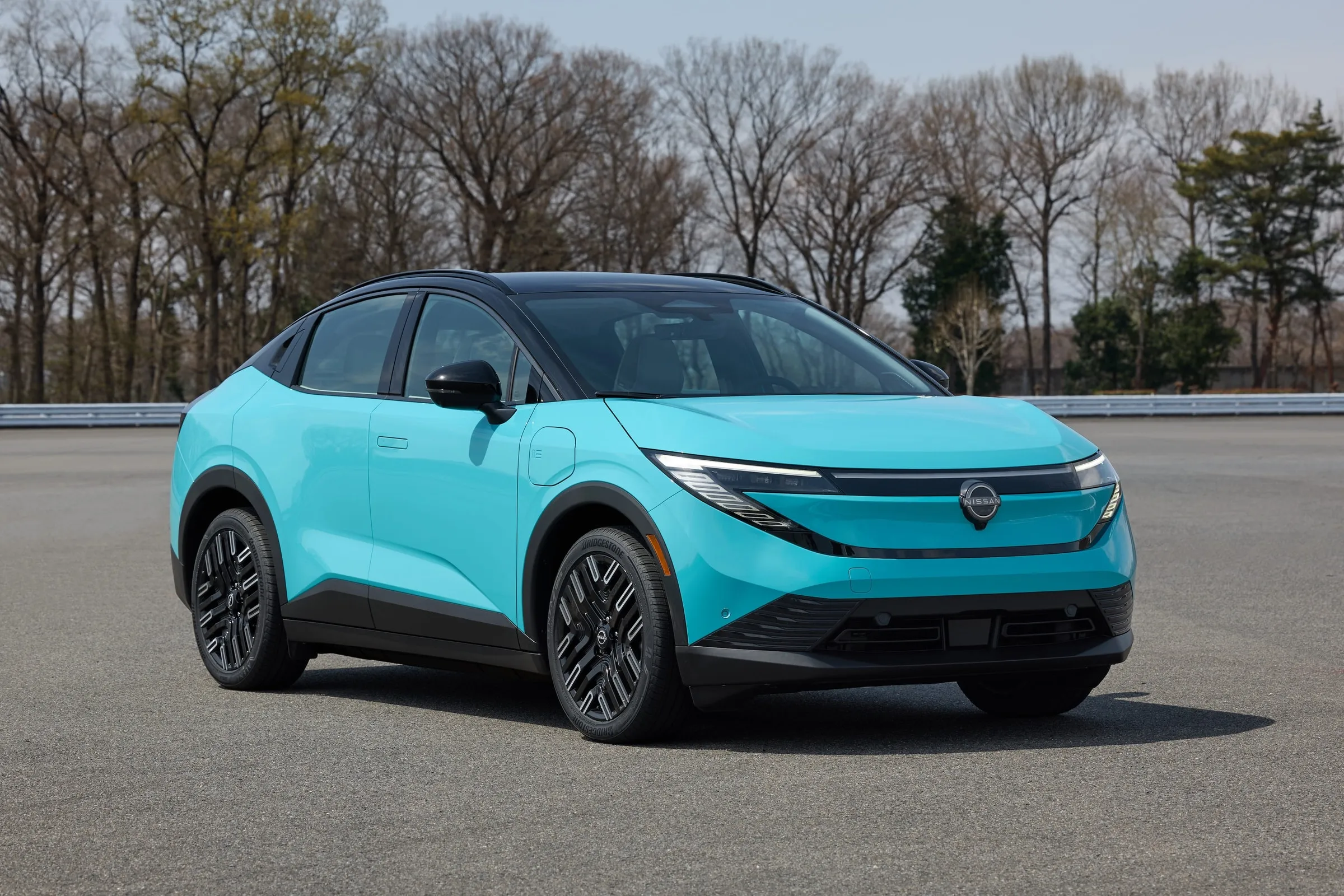 | 28 | $15.27 | $5.04 | $605 |
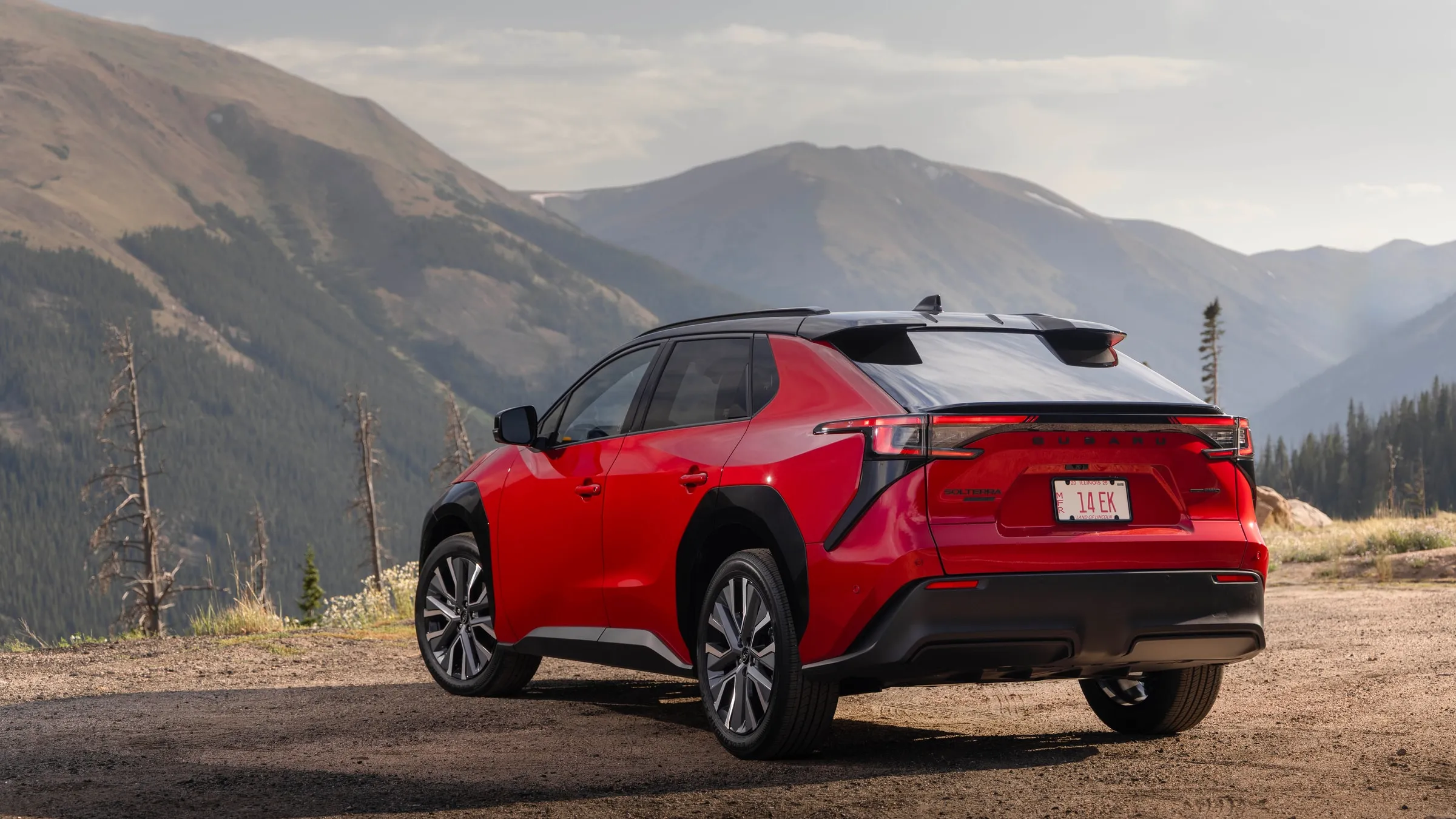 | 28 | $14.52 | $5.04 | $605 |
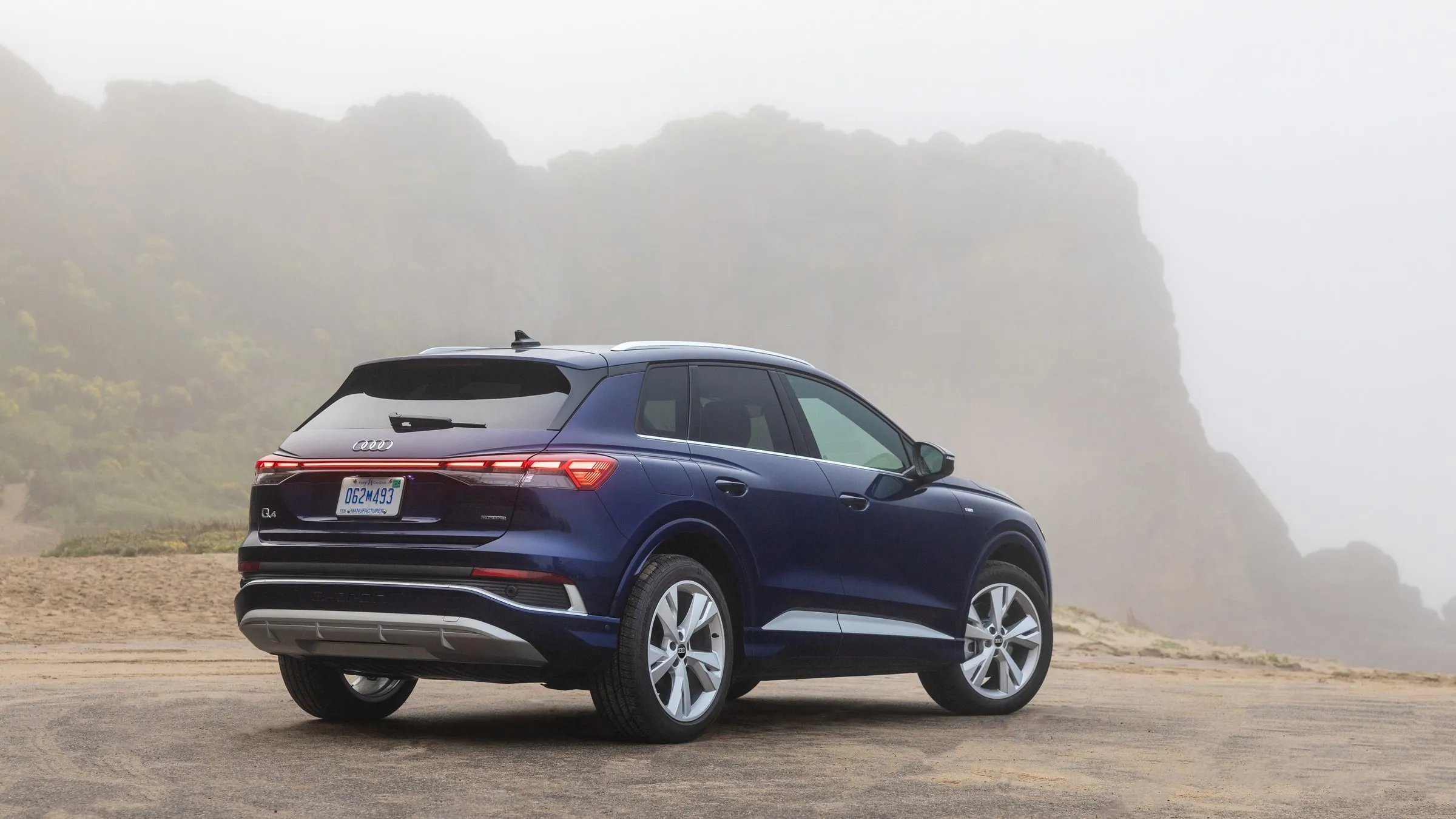 | 29 | $15.03 | $5.22 | $626 |
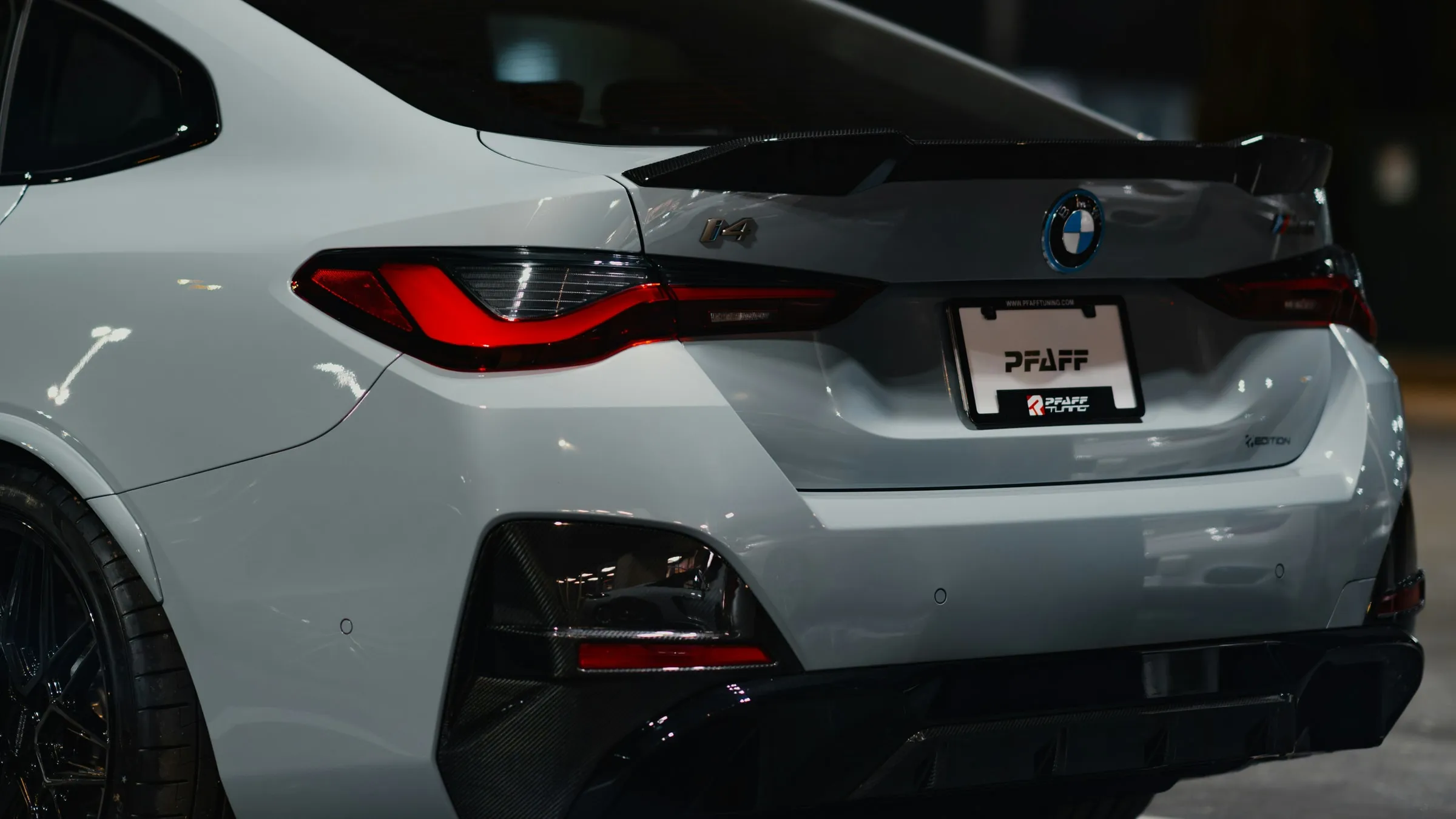 | 29 | $17.38 | $5.22 | $626 |
| Fiat 500e | 29 | $7.78 | $5.22 | $626 |
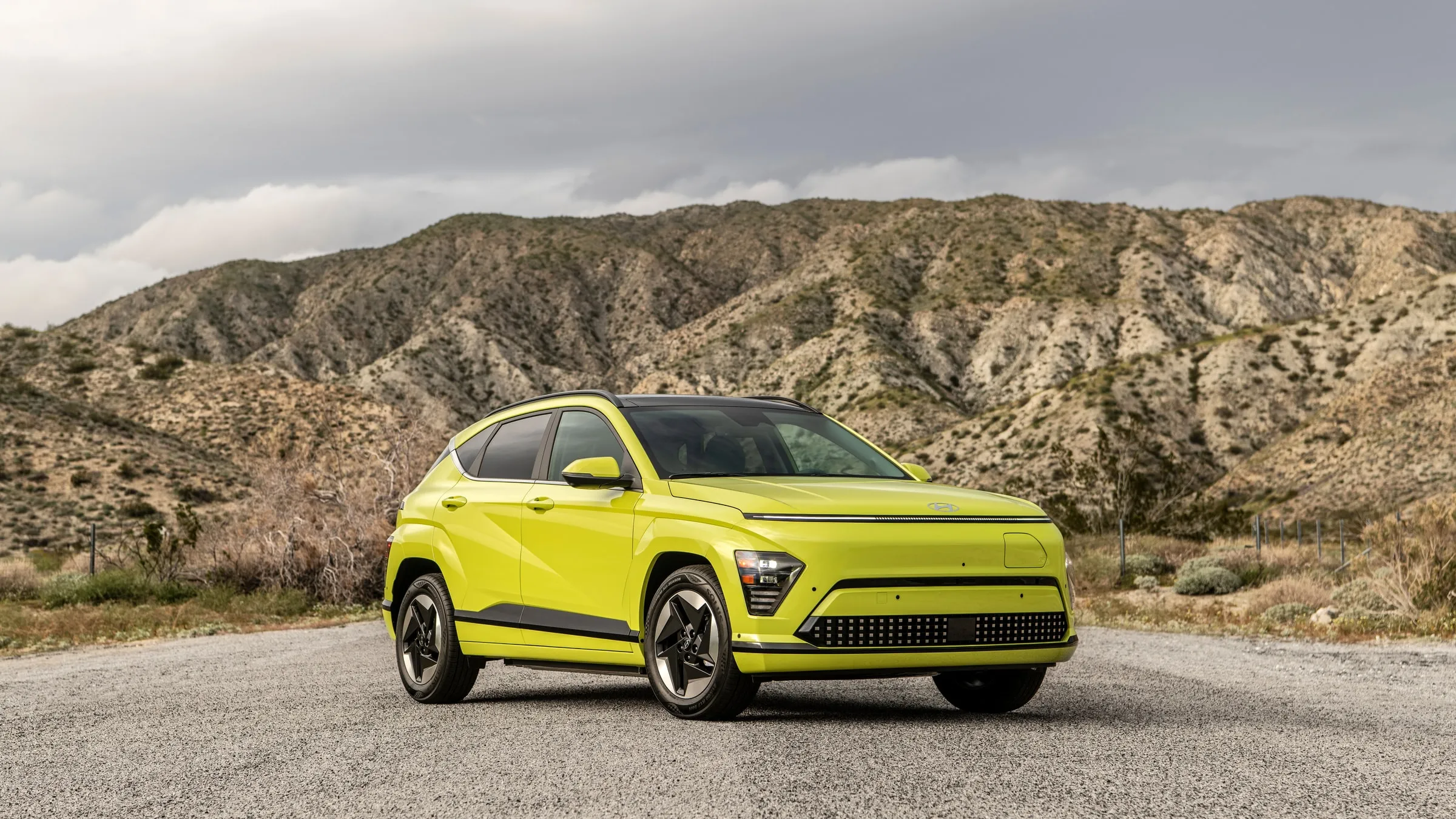 | 29 | $13.62 | $5.22 | $626 |
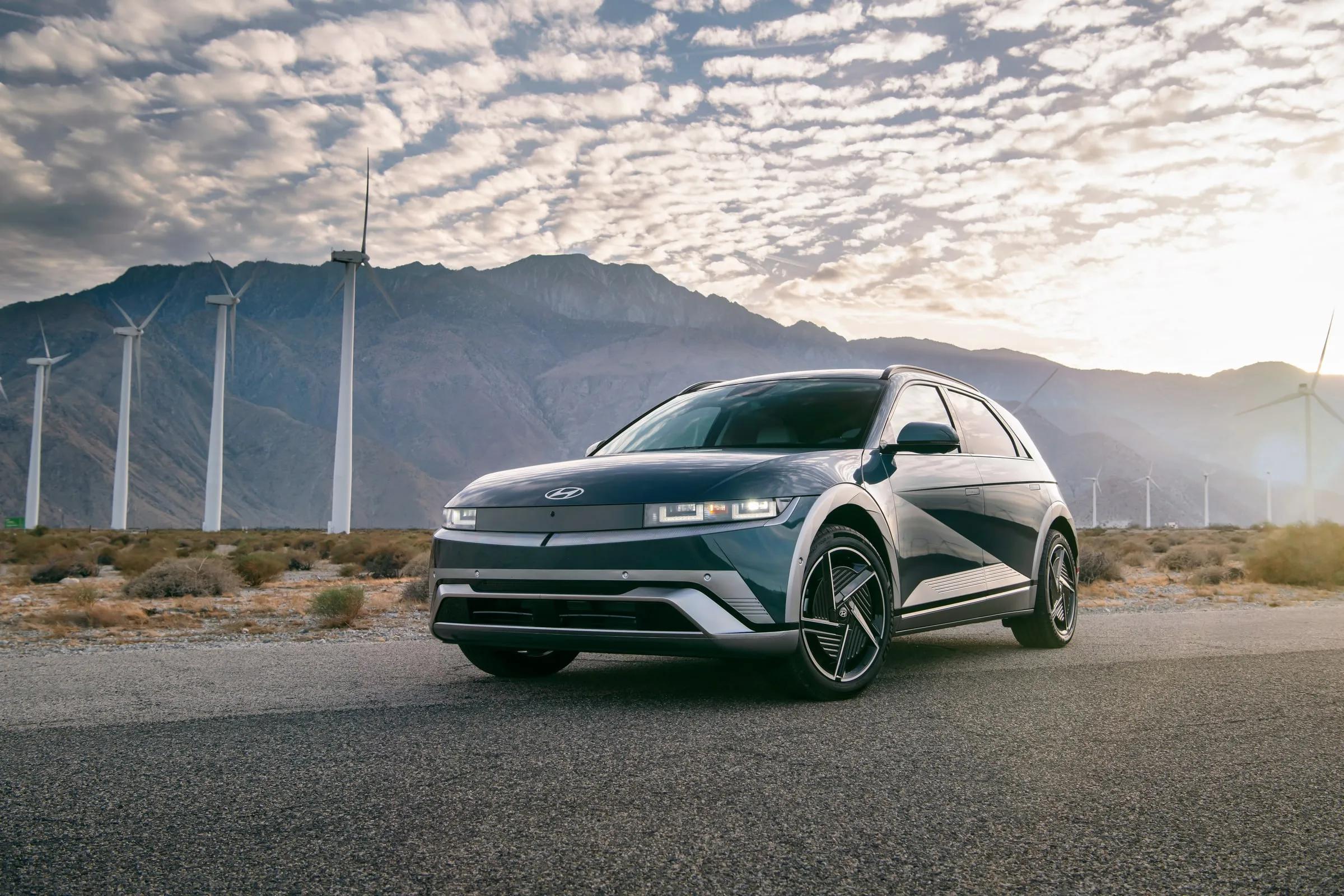 | 30 | $17.17 | $5.40 | $648 |
 | 30 | $17.23 | $5.40 | $648 |
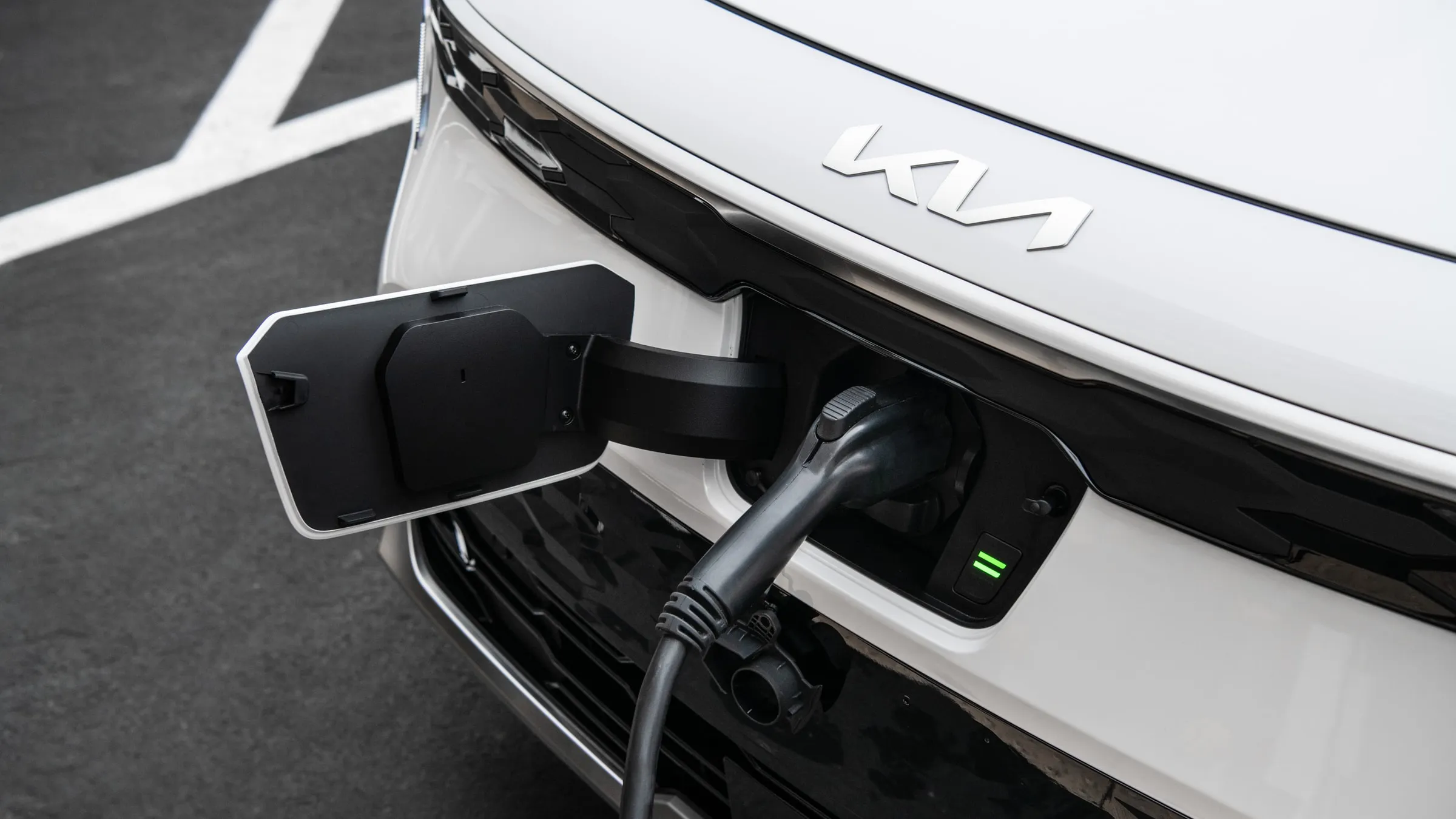 | 30 | $13.66 | $5.40 | $648 |
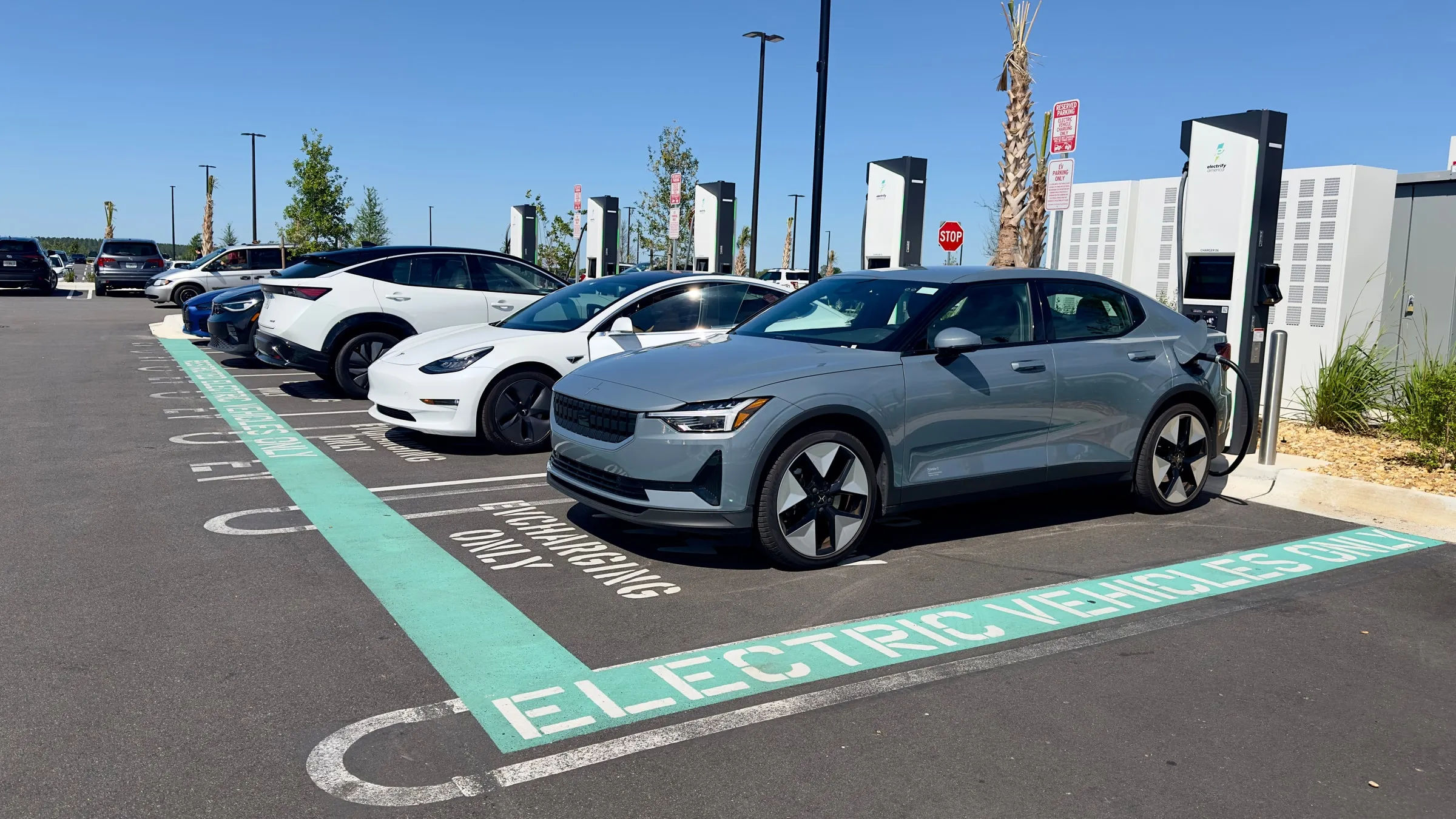 | 30 | $16.96 | $5.40 | $648 |
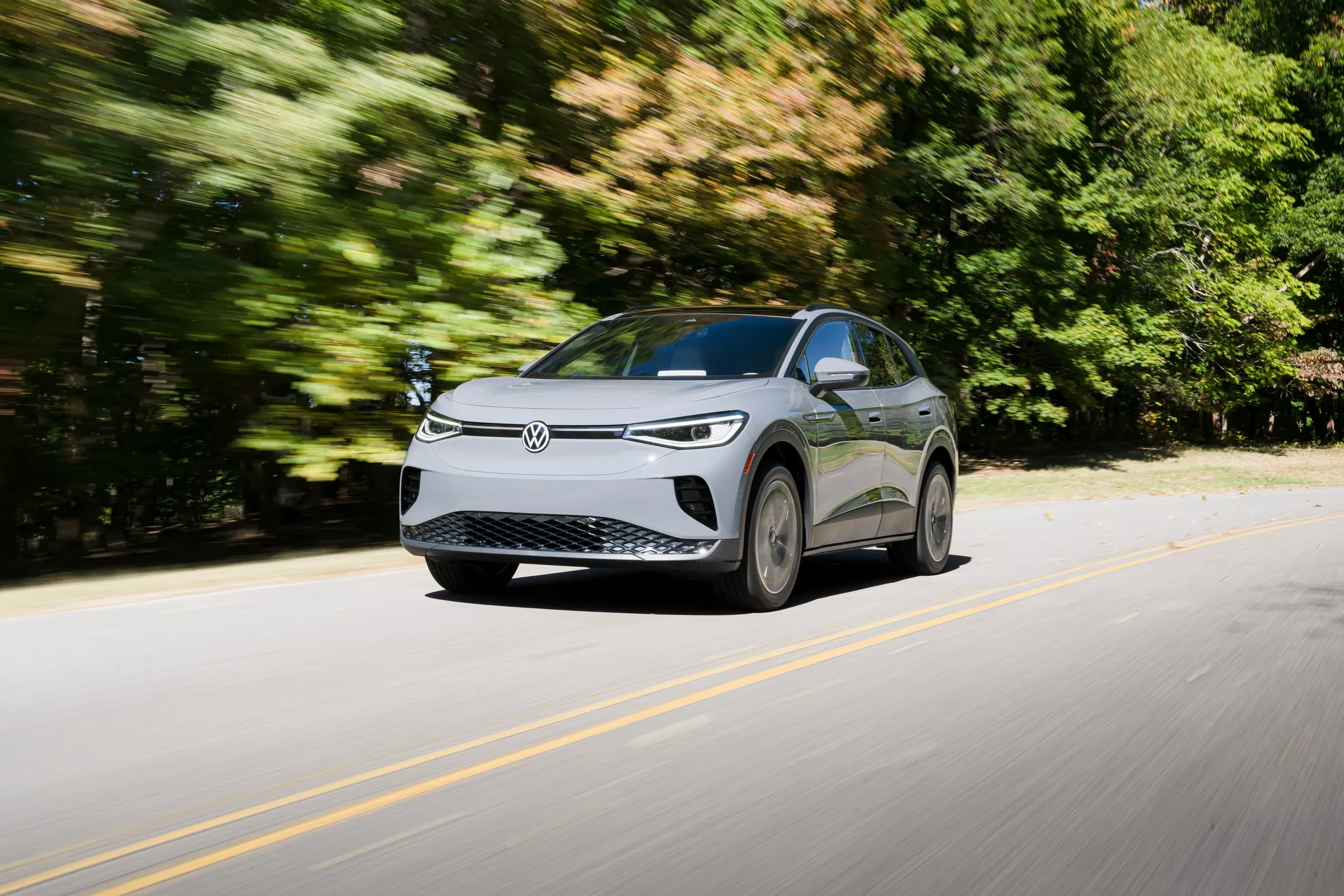 | 30 | $15.71 | $5.40 | $648 |
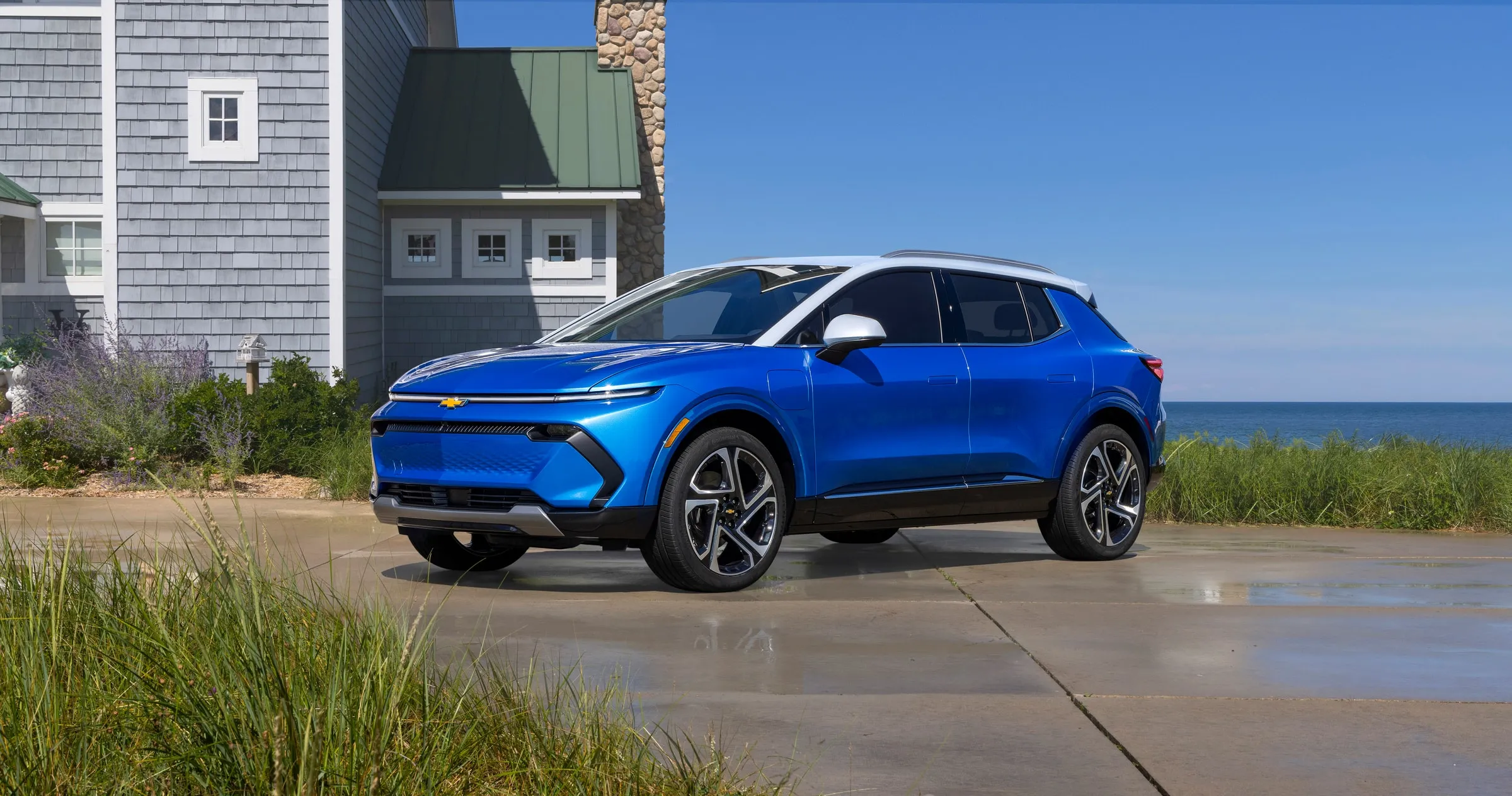 | 31 | $17.80 | $5.58 | $670 |
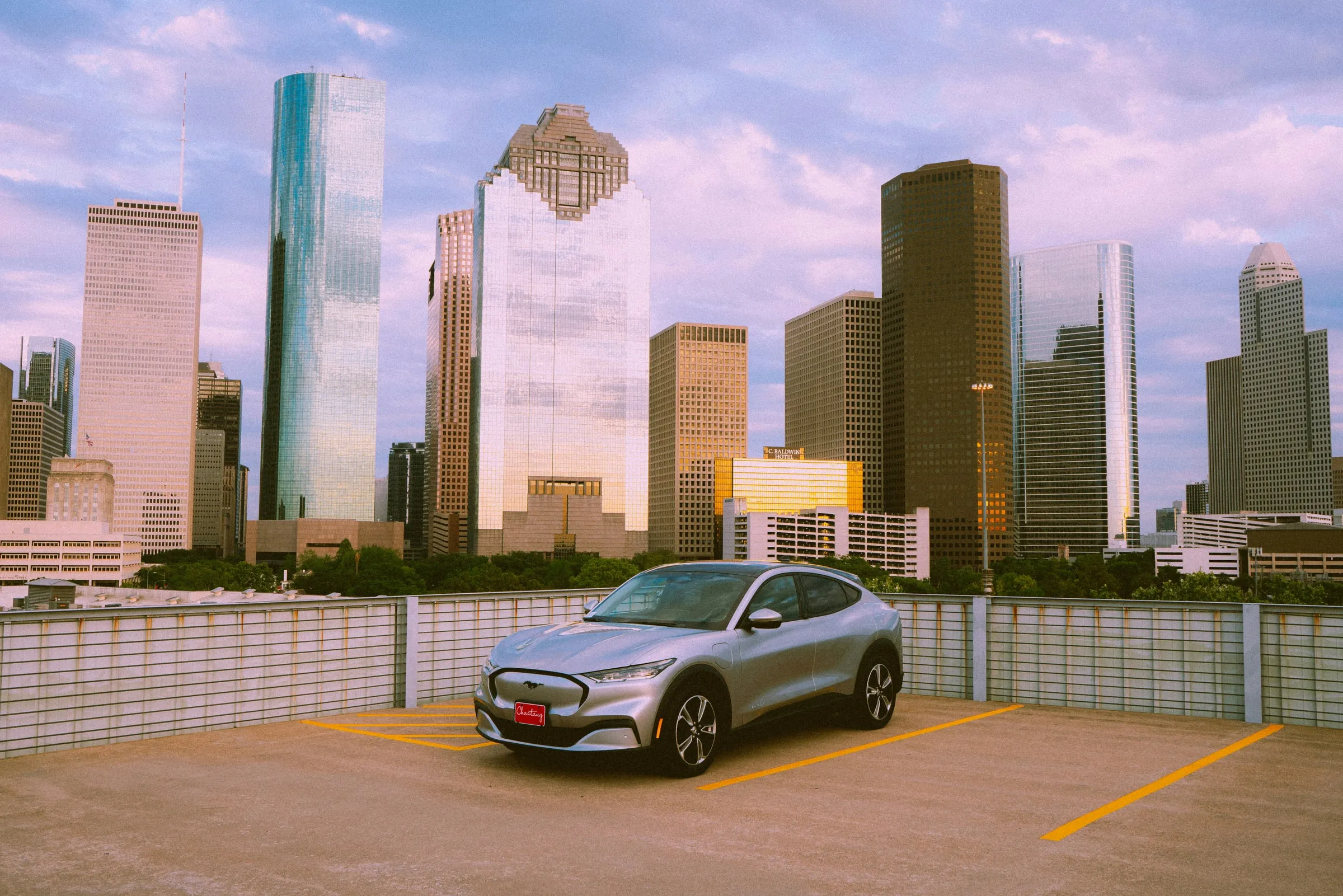 | 31 | $17.86 | $5.58 | $670 |
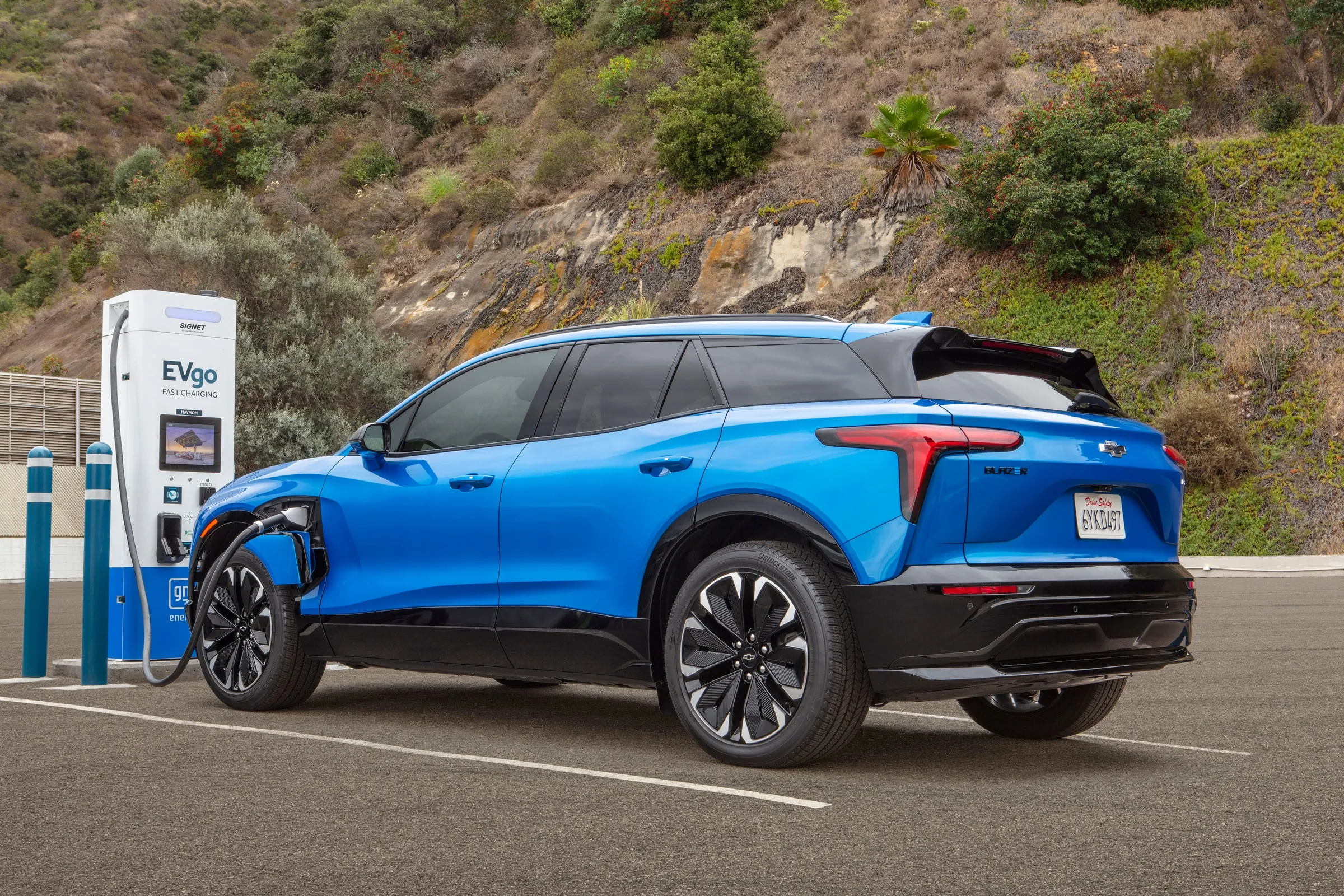 | 32 | $17.97 | $5.76 | $691 |
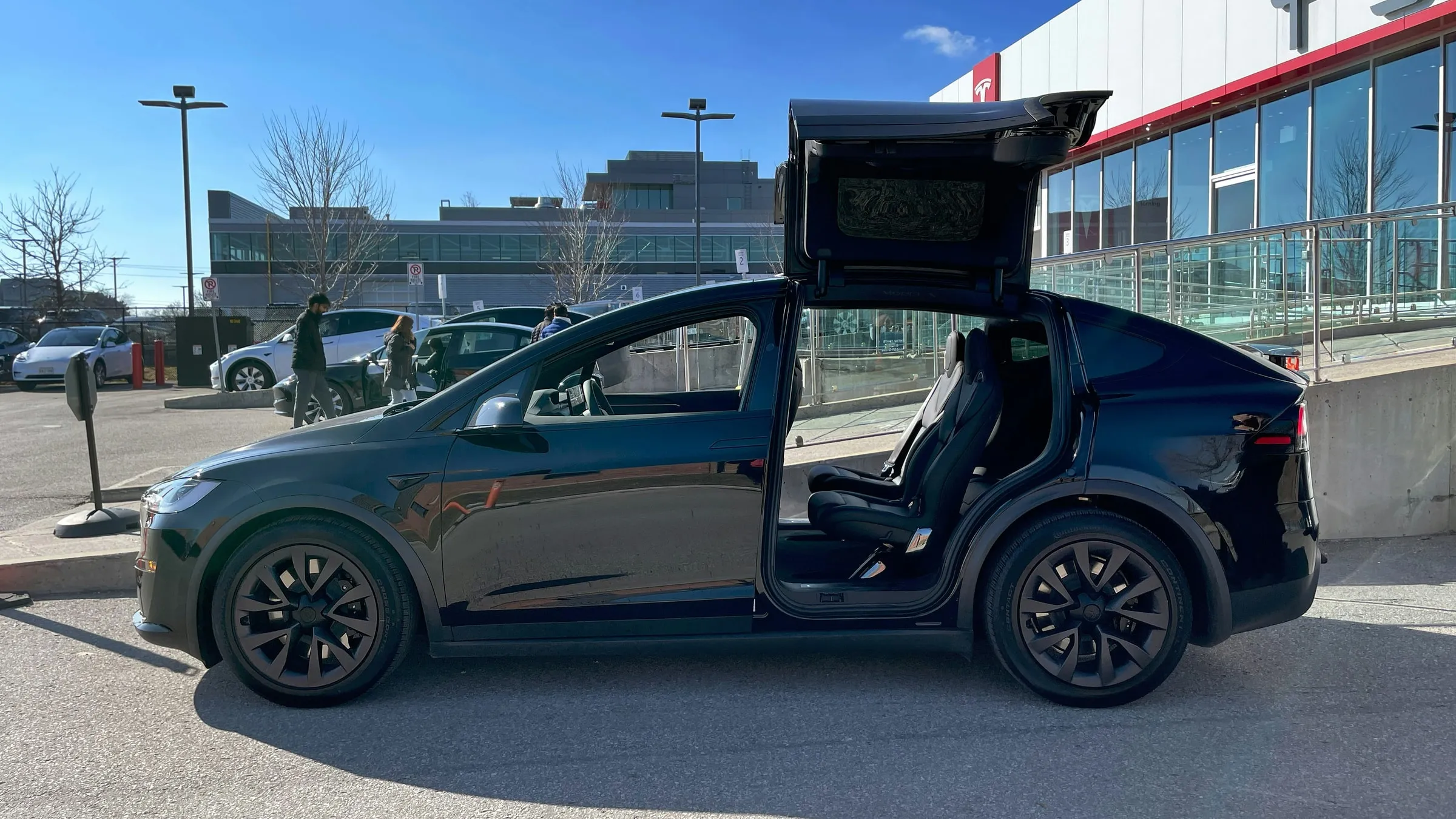 | 32 | $20.28 | $5.76 | $691 |
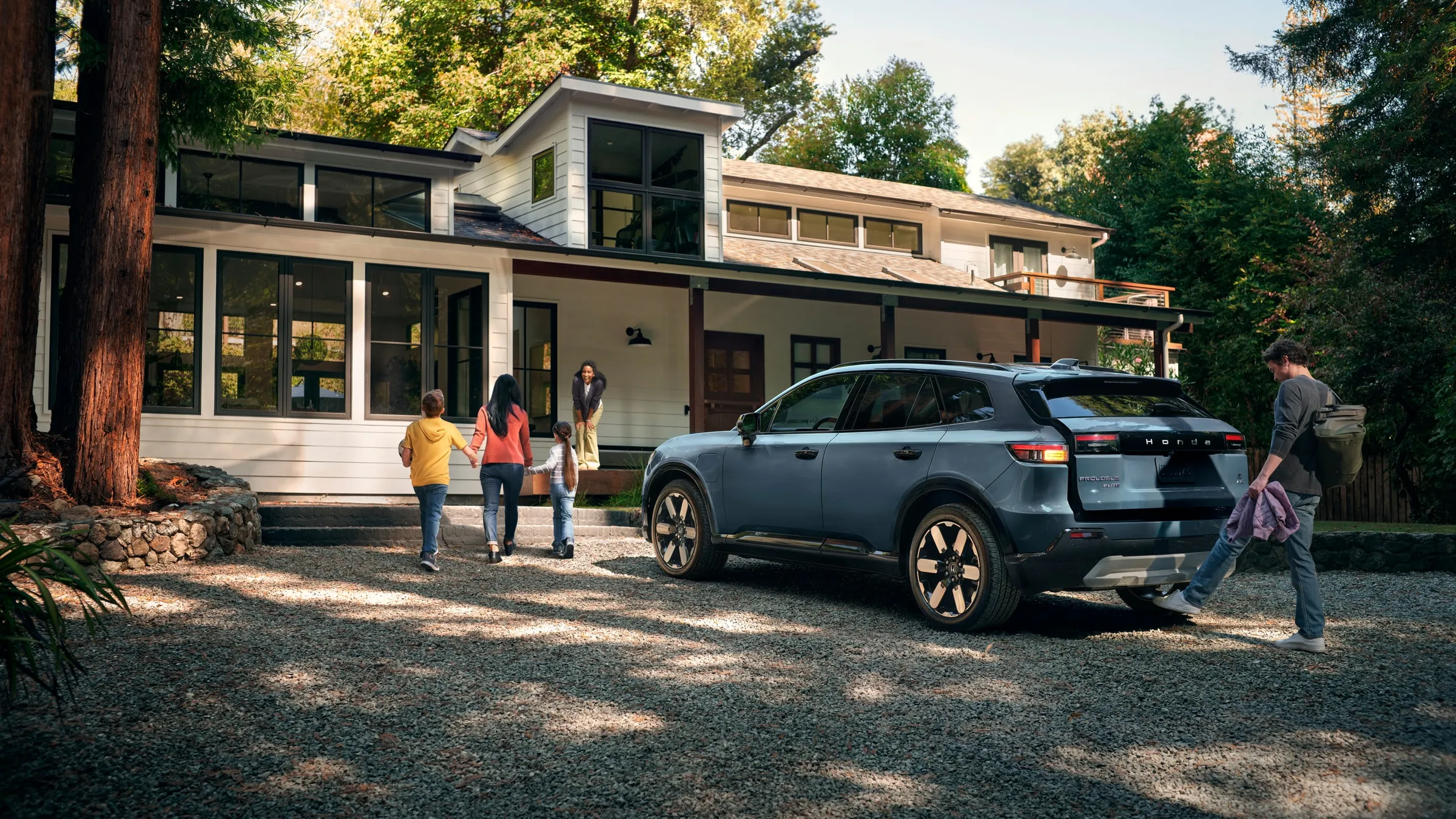 | 33 | $18.30 | $5.94 | $713 |
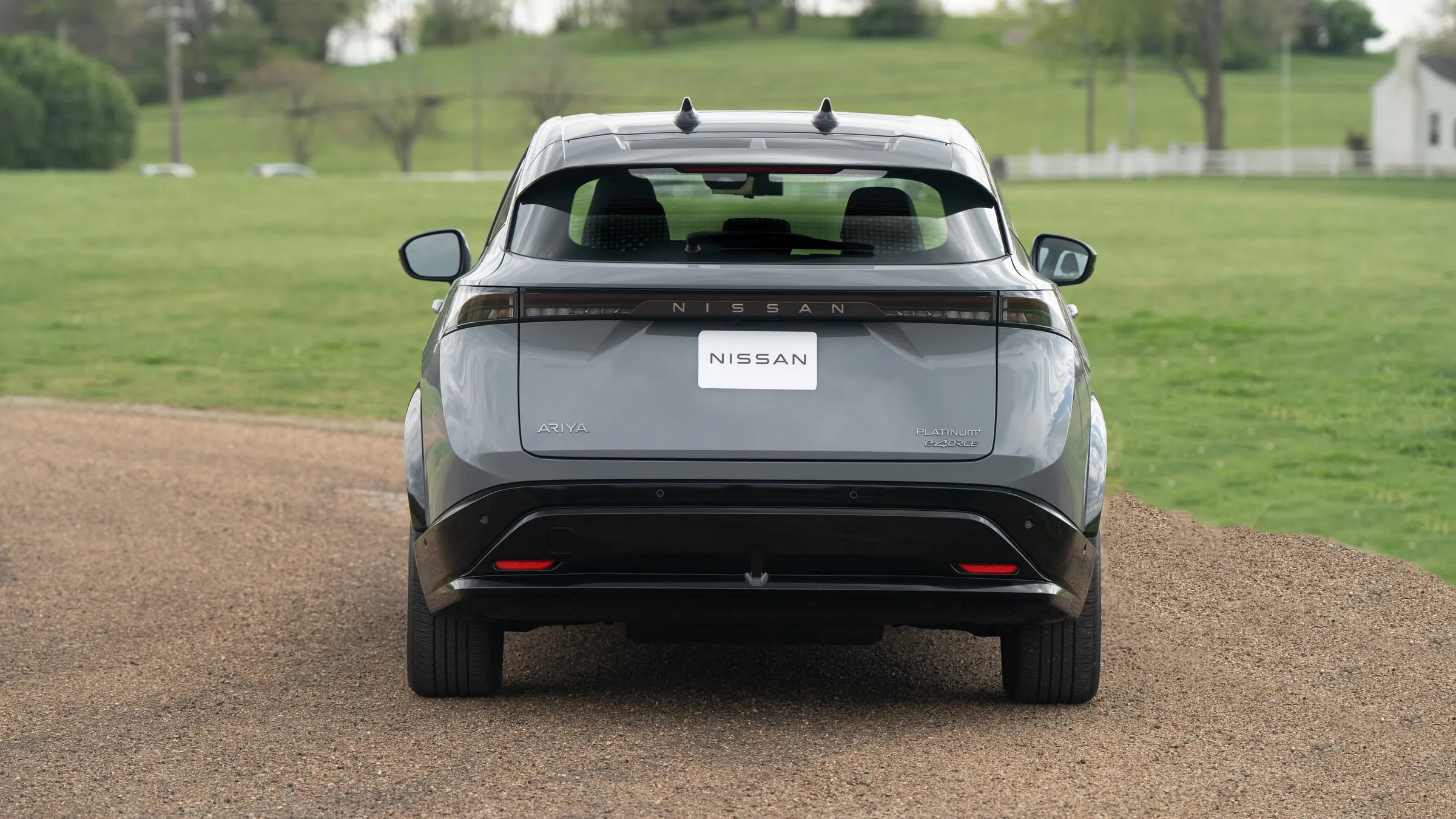 | 34 | $17.69 | $6.12 | $734 |
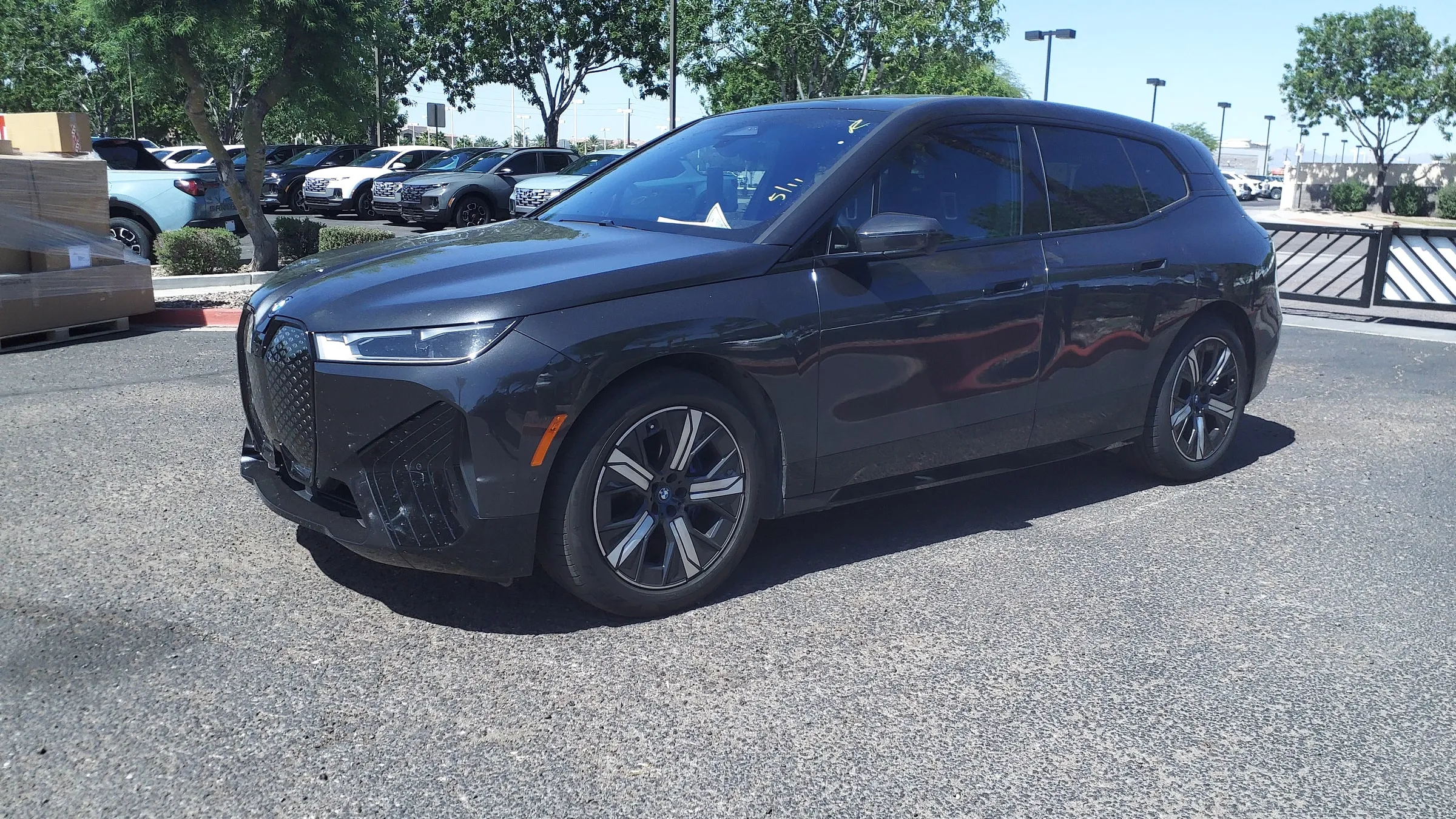 | 35 | $22.93 | $6.30 | $756 |
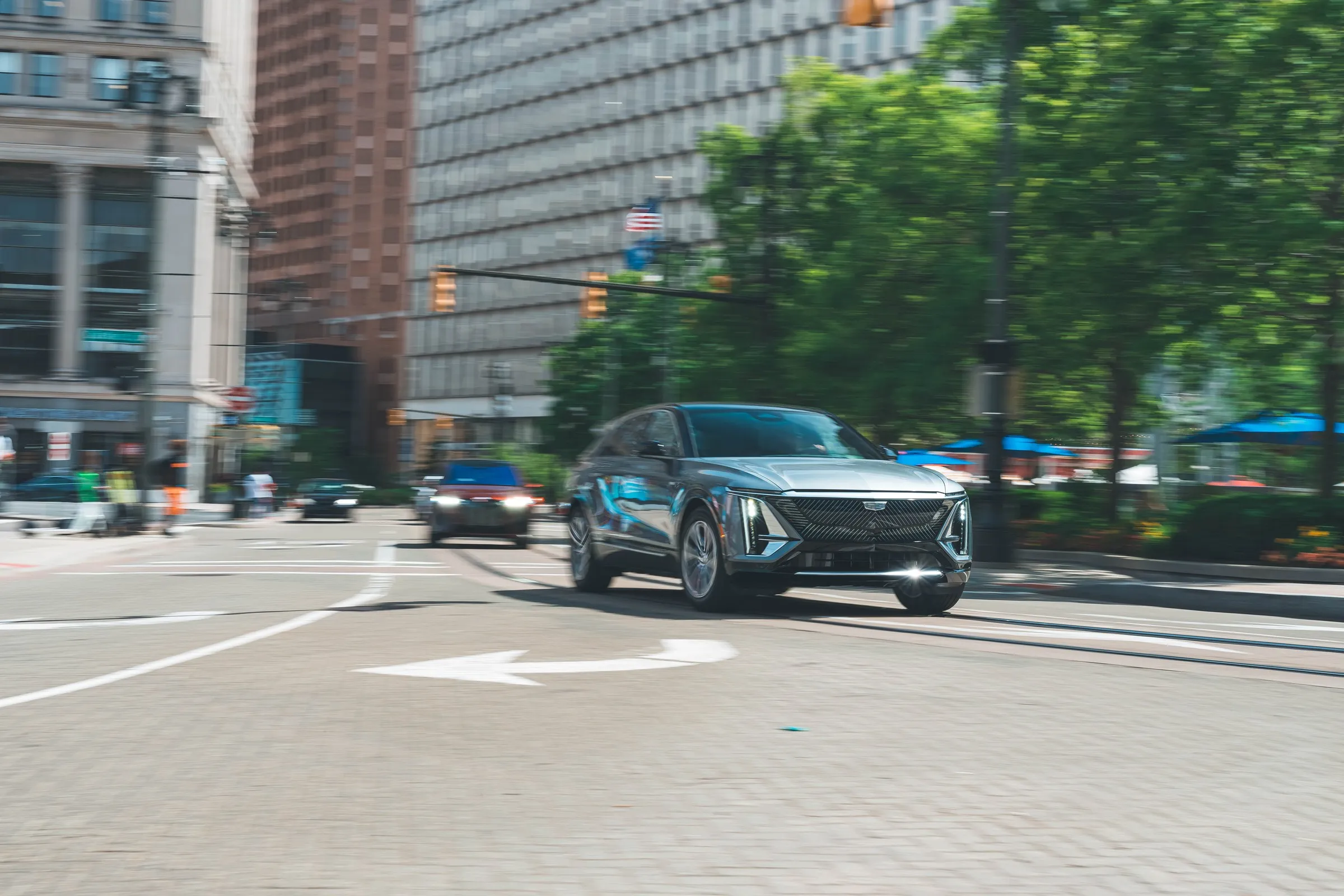 | 37 | $21.71 | $6.66 | $799 |
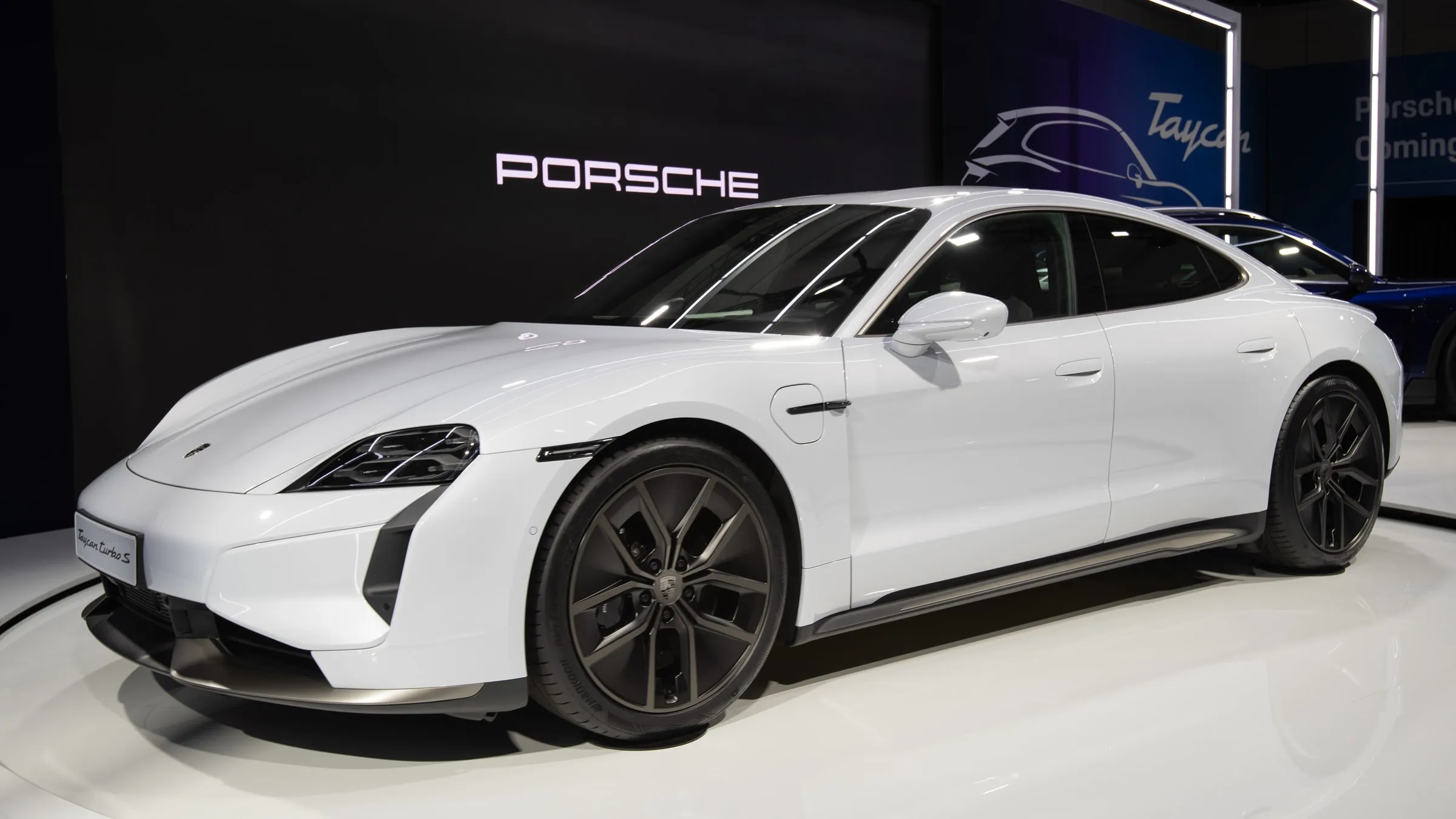 | 37 | $18.25 | $6.66 | $799 |
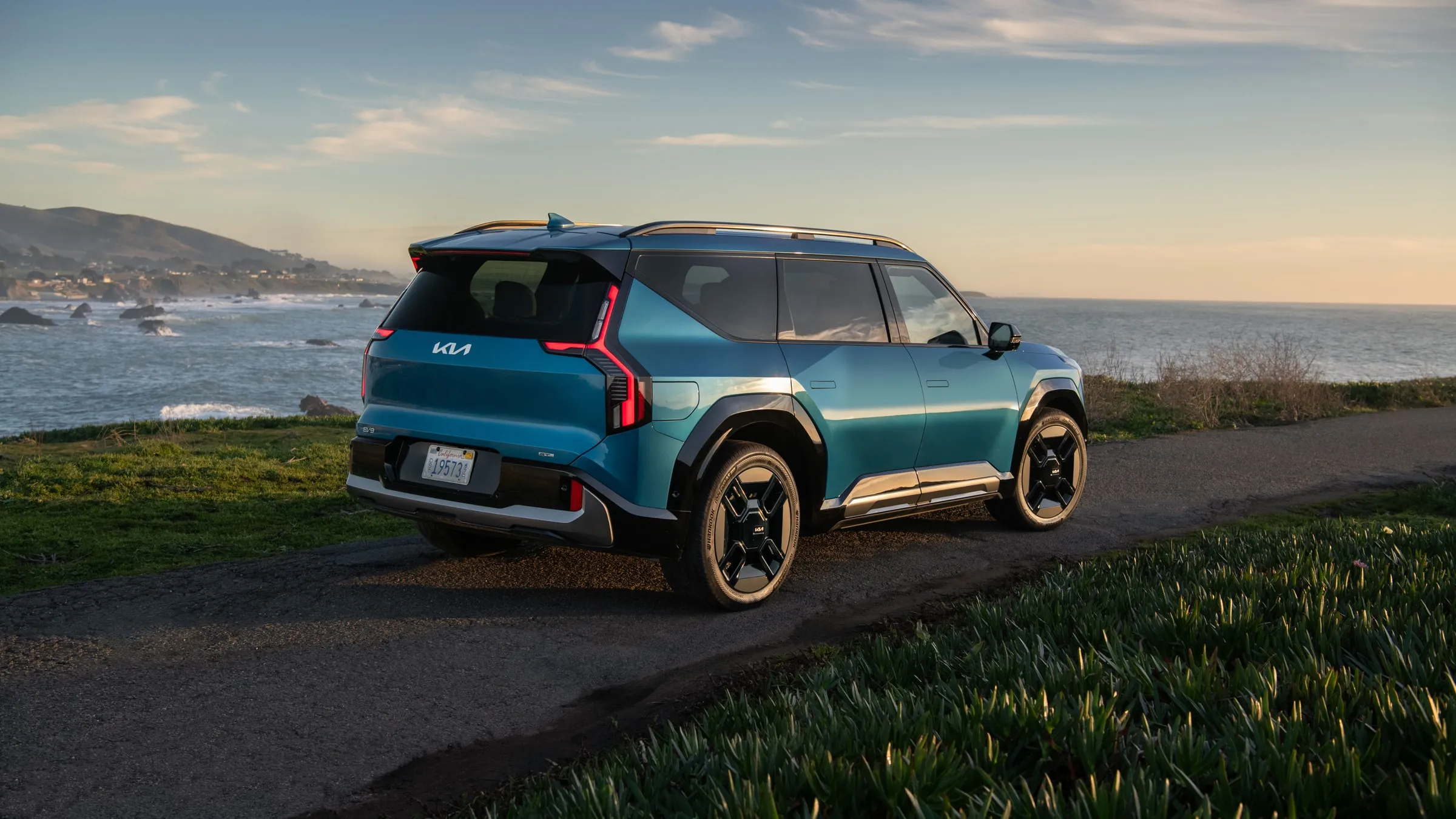 | 38 | $20.86 | $6.84 | $821 |
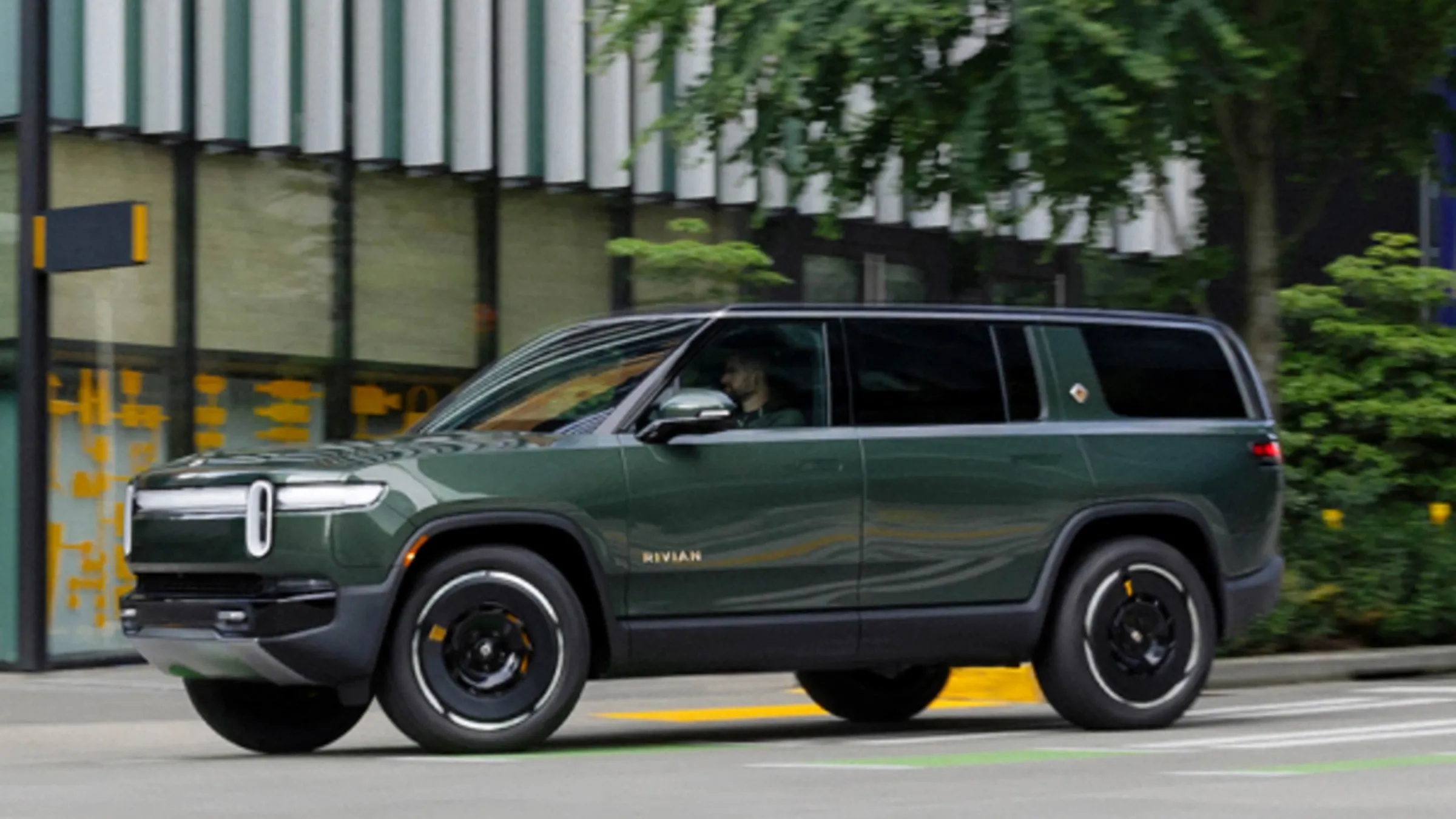 | 40 | $19.44 | $7.20 | $864 |
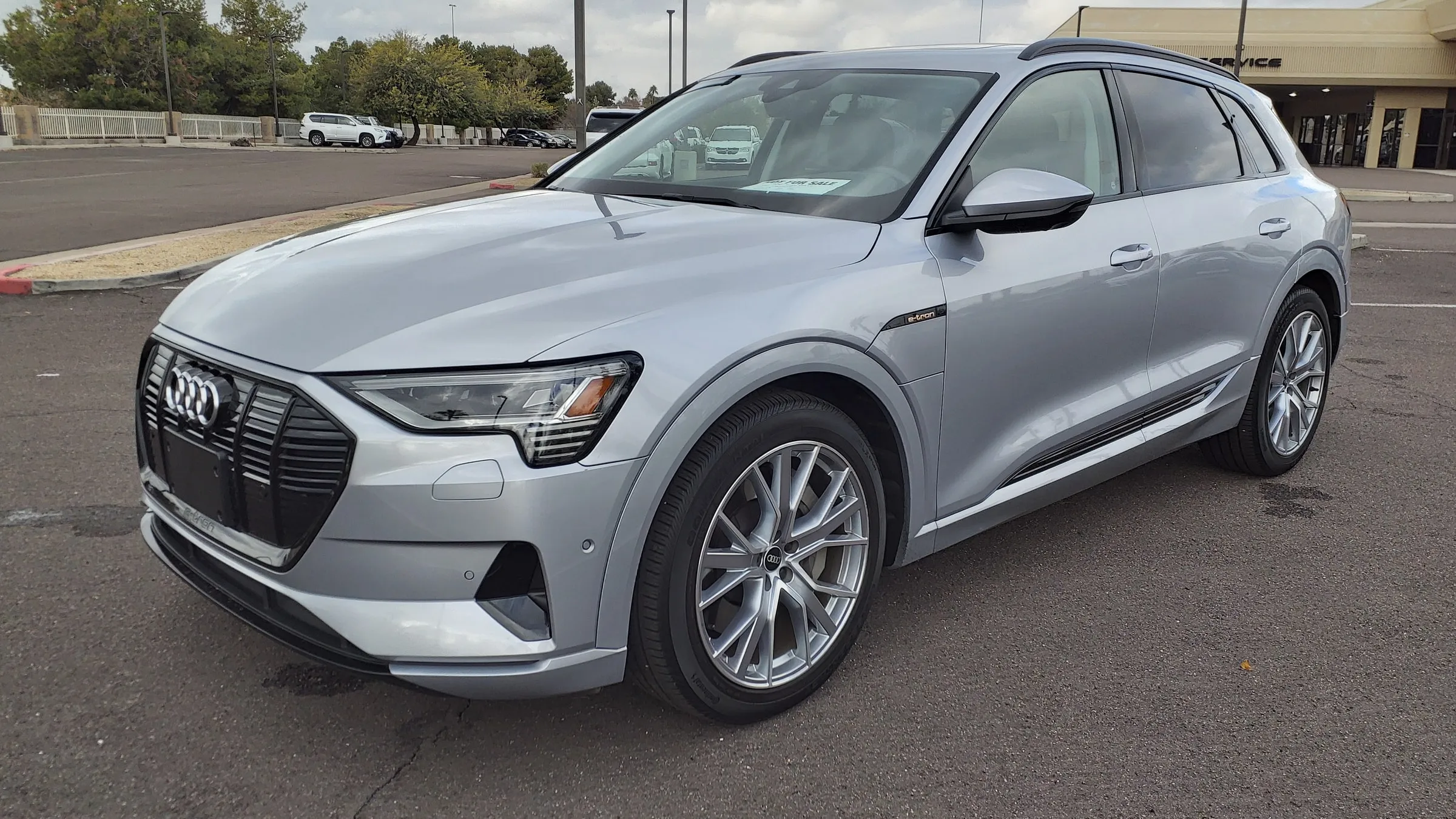 | 43 | $21.05 | $7.74 | $929 |
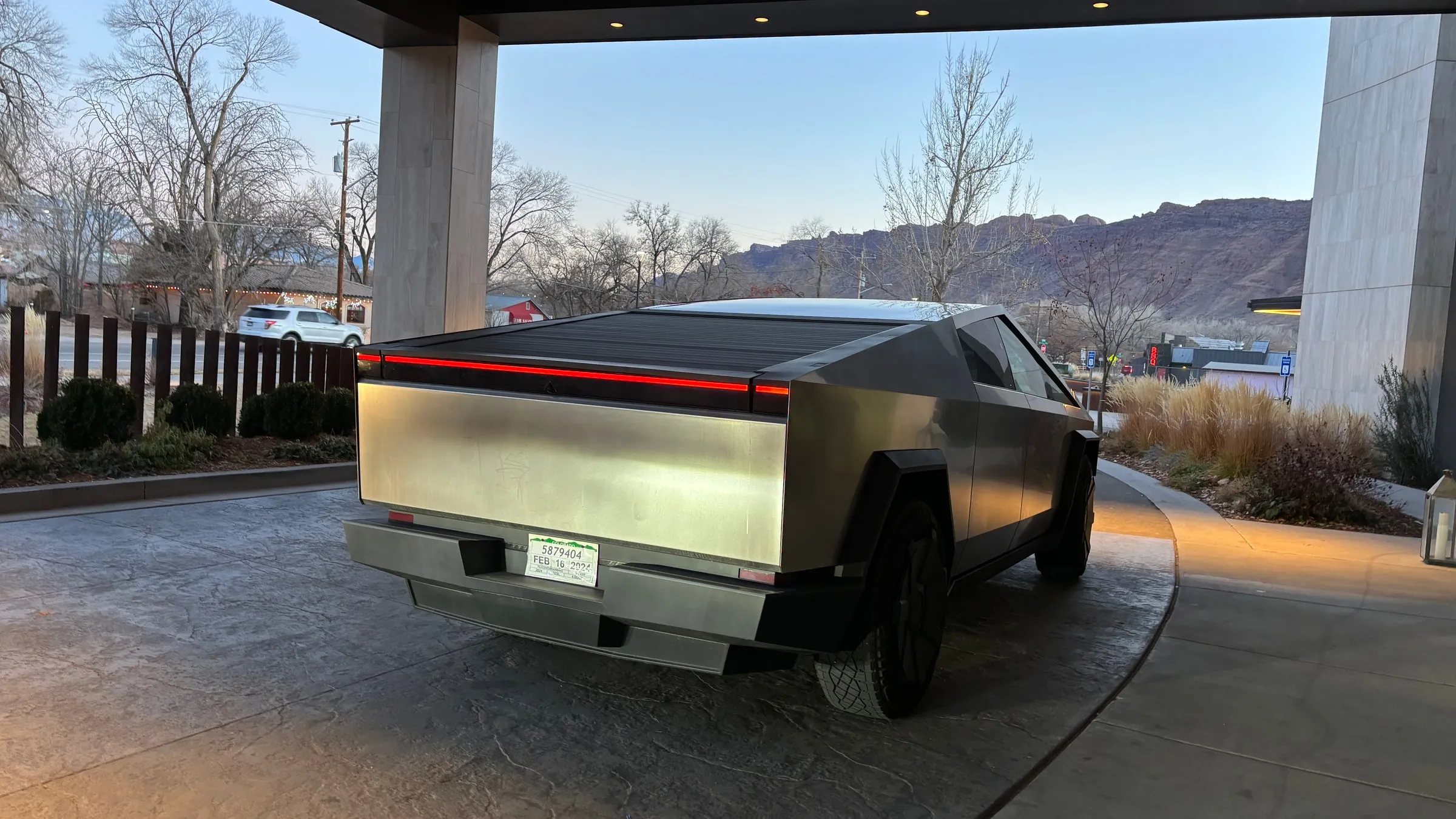 | 43 | $25.16 | $7.74 | $929 |
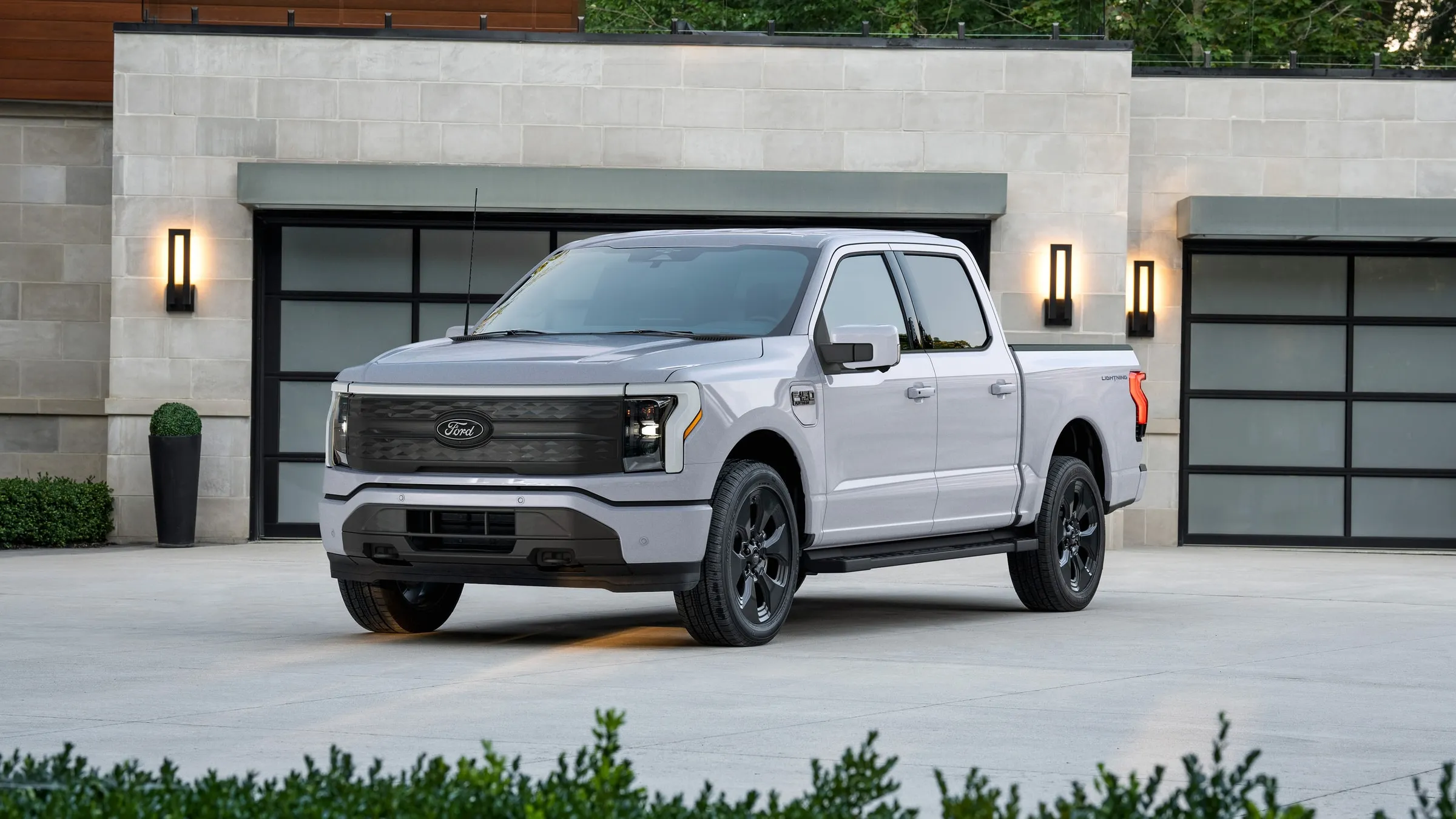 | 48 | $27.65 | $8.64 | $1,037 |
 | 64 | $36.63 | $11.52 | $1,382 |
Why a full charge is not a battery size
Most places answer this question by quoting the battery capacity and multiplying. We don't, for two reasons. Manufacturers publish gross capacity, which includes a buffer at each end of the pack that never takes a charge, so the resulting figure overstates your bill. And usable capacity — the honest number — often isn't published at all.
The figures above come from the range and consumption ratings the EPA publishes for each car, both from the same test. That avoids guessing, and because the EPA measures at the wall socket rather than at the battery, it already includes the energy lost in charging. More on how these figures are calculated.
Your rate is the number that matters
Every figure on this page uses one national average. Yours almost certainly isn't it — and the gap between a cheap state and an expensive one is larger than the gap between the cheapest and dearest car in the table. Finding your own rate is the single most useful thing you can do with ten minutes and a bill, and the charging cost calculator will run any of these cars at it.
Common questions
What does a full charge cost at home?
Across the 34 cars here, a full charge runs from about $8 to $37 at the US average rate of 18¢/kWh. A bigger battery costs more to fill; efficiency is what decides the cost of actually driving.
Is charging an EV cheaper than gas?
Usually by a wide margin at home. A typical EV costs about $648 a year to charge at the US average rate, against about $1,620 in gas for a 30 MPG car driven the same 12,000 miles.
Why do some EVs cost more to charge than others?
Efficiency. The cars here span 23 to 64 kWh per 100 miles — about 178% more energy per mile at the thirsty end. Weight, aerodynamics and tires drive that gap more than badge or price do.